
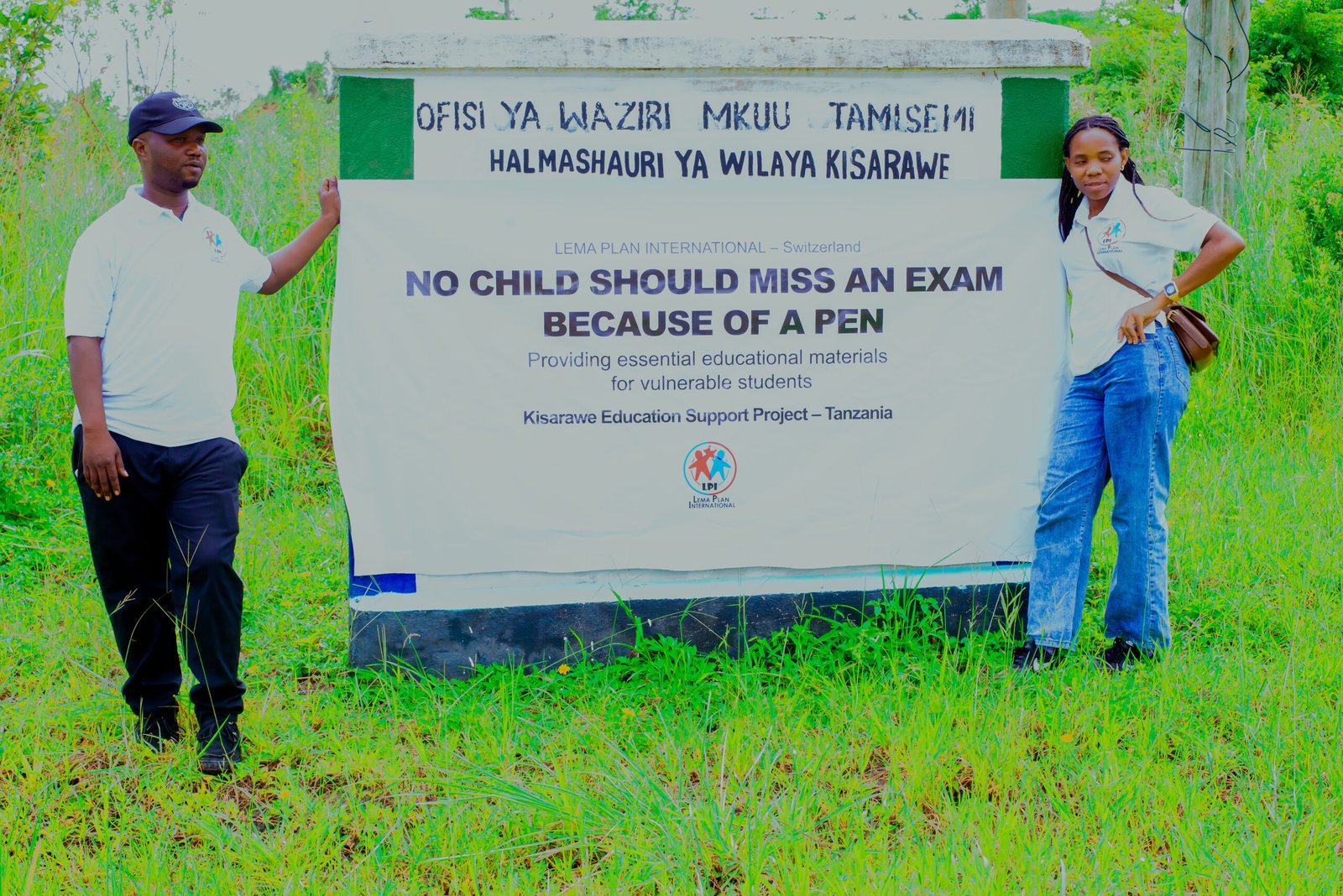
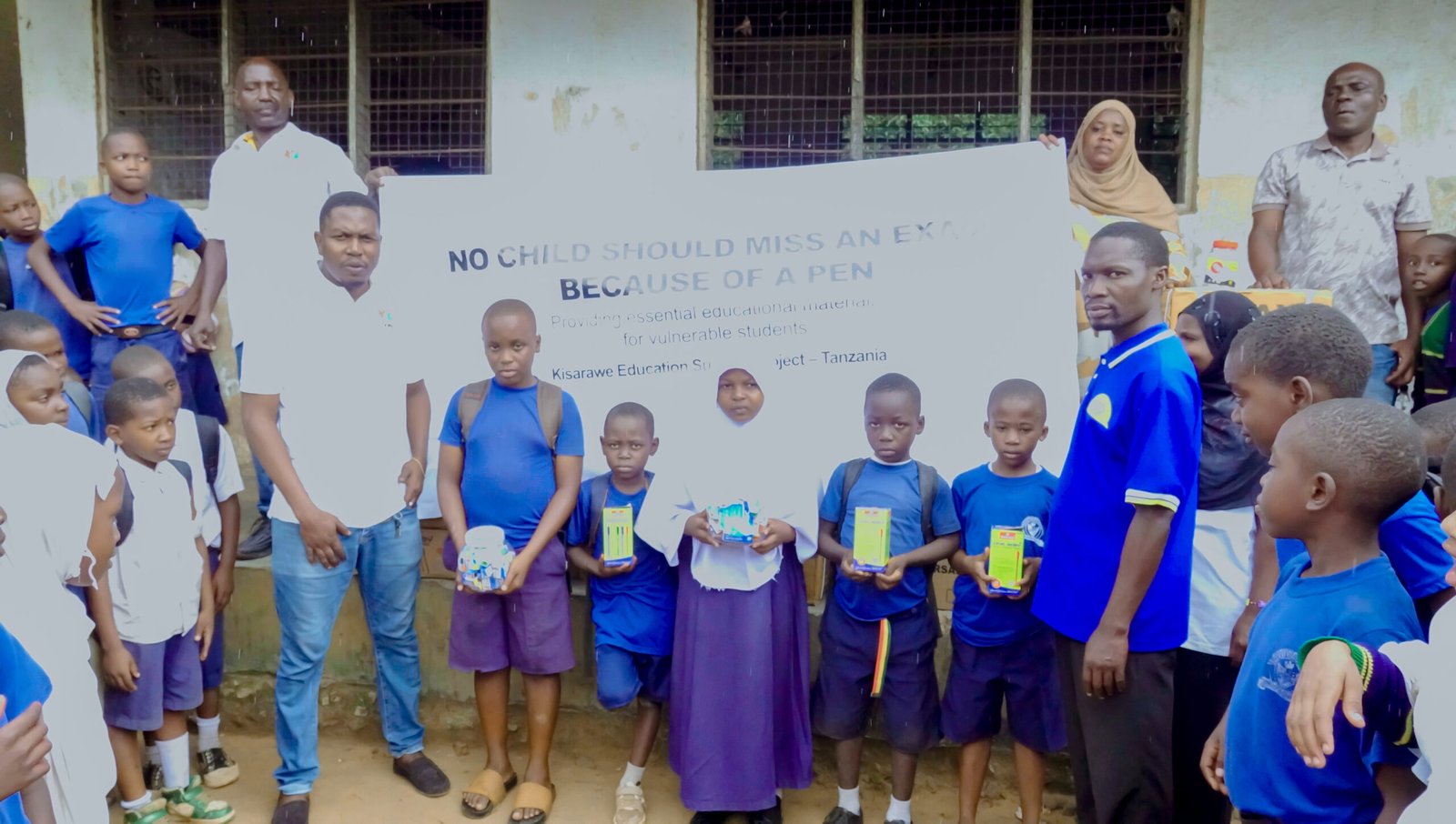
NO CHILD SHOULD MISS AN EXAM BECAUSE OF A PEN
Kisarawe Education Support Project – Final Project Report 2026
Lema Plan International
Tanzania
1. Executive Summary
The Kisarawe Education Support Project was implemented by Lema Plan International with the objective of improving access to essential educational materials for vulnerable students in underserved primary schools within Kisarawe District, Tanzania.
The initiative responded to a critical challenge affecting many learners: the lack of basic school materials required for daily classroom participation, written exercises, and examinations. In several schools, students regularly attended lessons without notebooks, pens, erasers, or other fundamental learning tools.
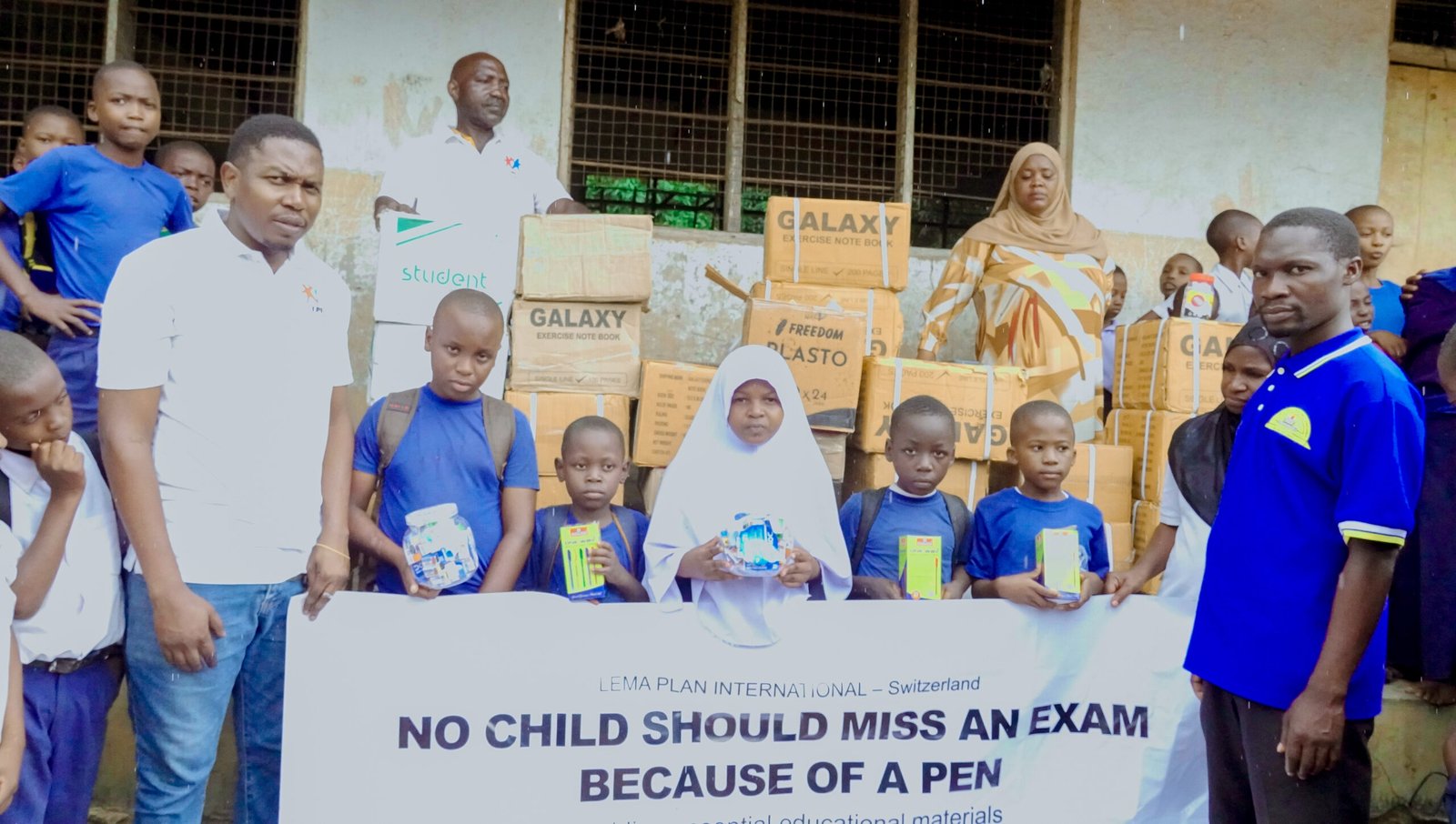
Guided by the belief that no child should miss an exam because of a pen, the project focused on the procurement and equitable distribution of essential learning materials to improve educational participation and learning conditions.
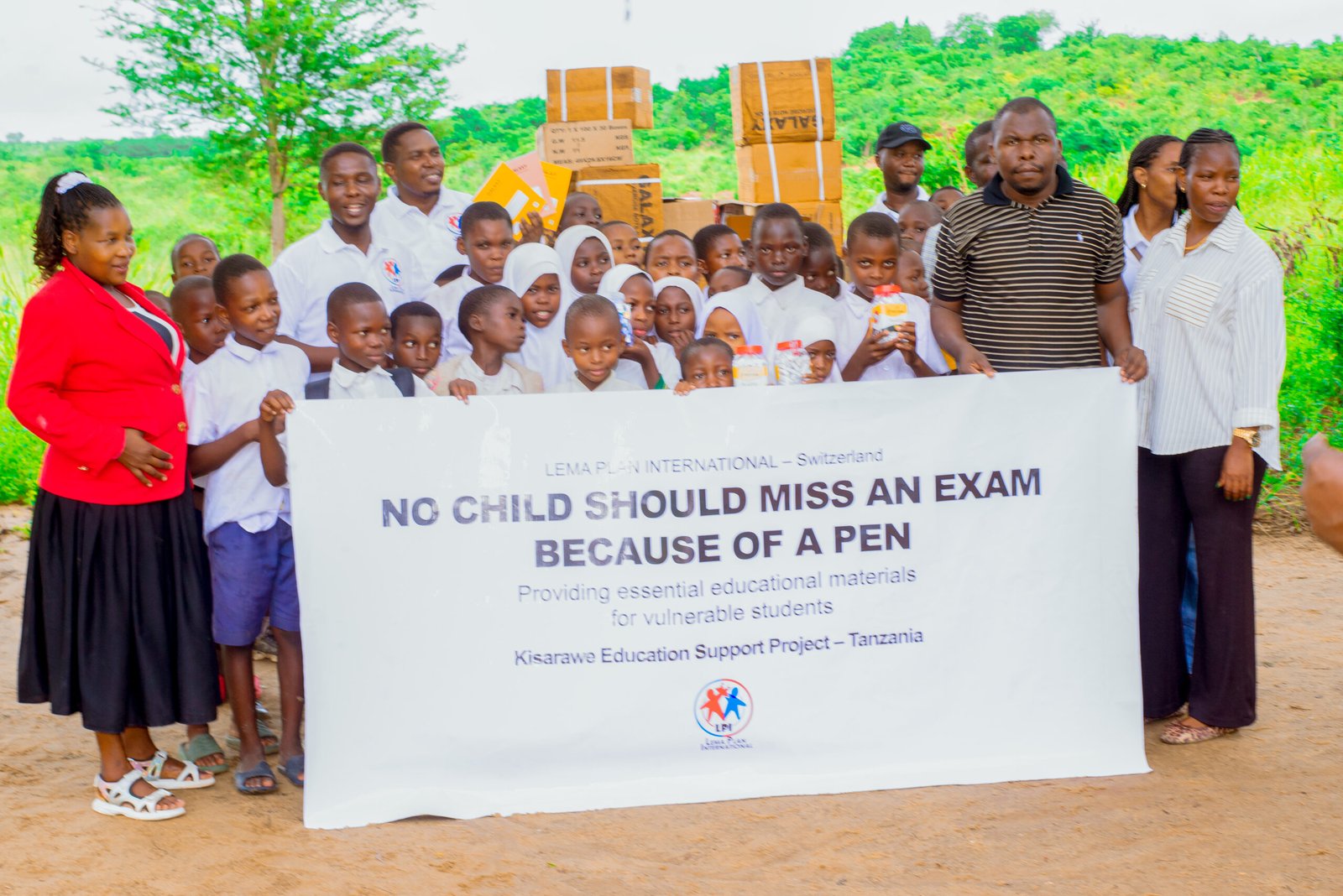
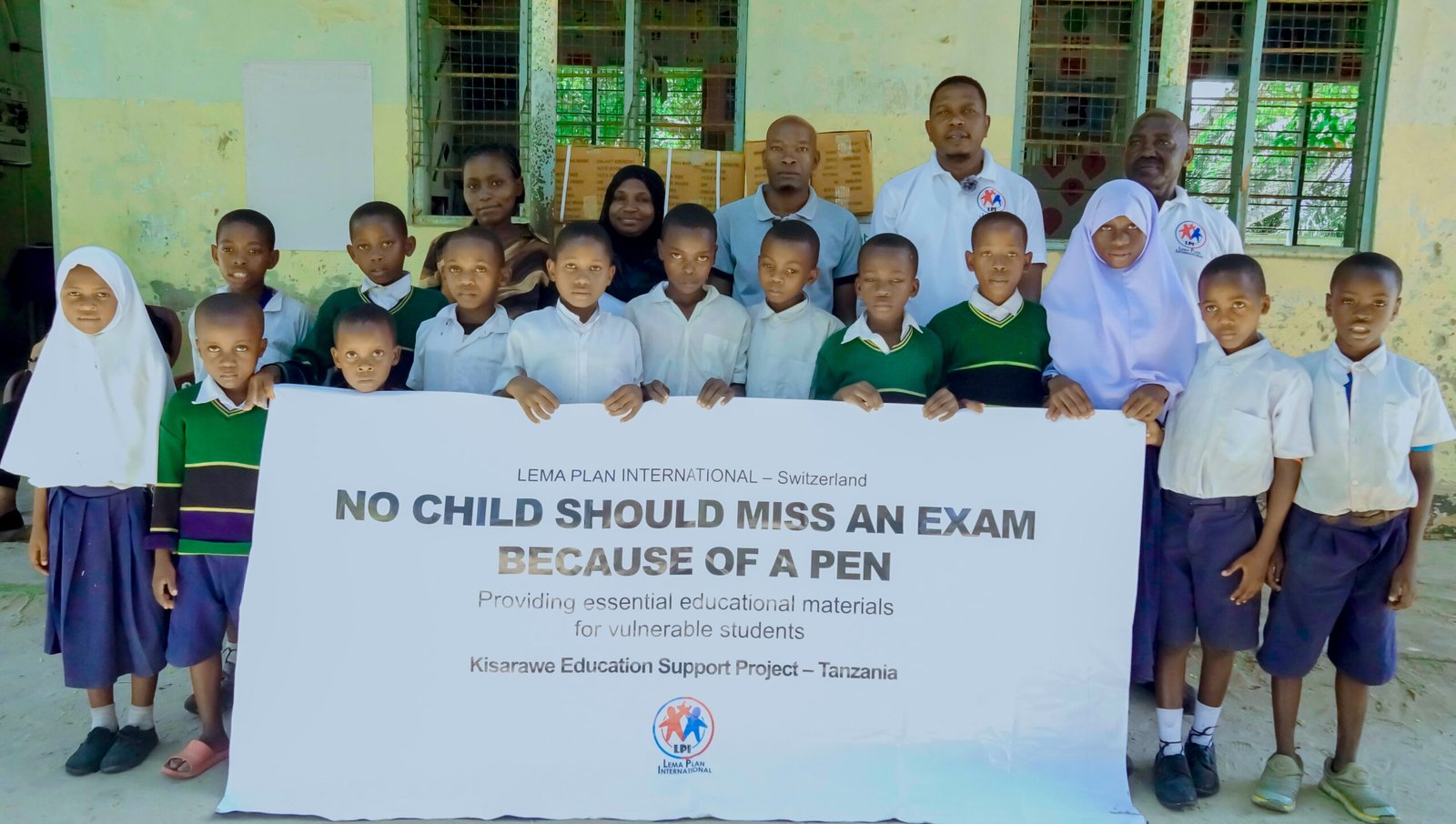
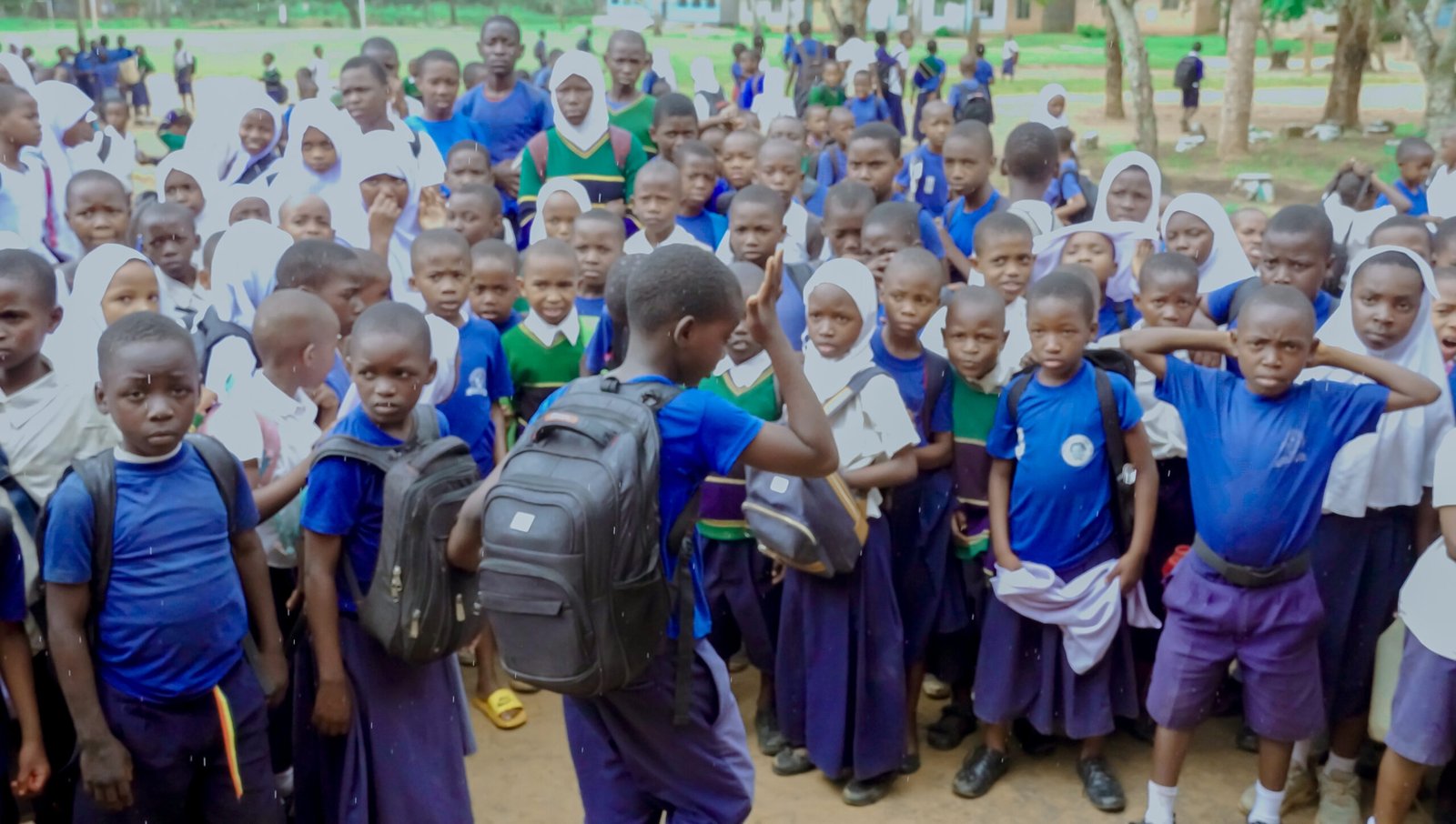
The project was implemented in two operational phases between April and May 2026. Educational materials were successfully distributed across five beneficiary primary schools, directly benefiting approximately 2,500–3,000 learners.
Despite logistical and weather-related challenges, all planned activities were successfully implemented through close collaboration with local education authorities, school leadership, field coordinators, and community stakeholders.
The project demonstrates how targeted educational support, even at a modest scale, can significantly improve student participation, classroom readiness, and educational dignity among vulnerable learners.
2. Project Background and Context
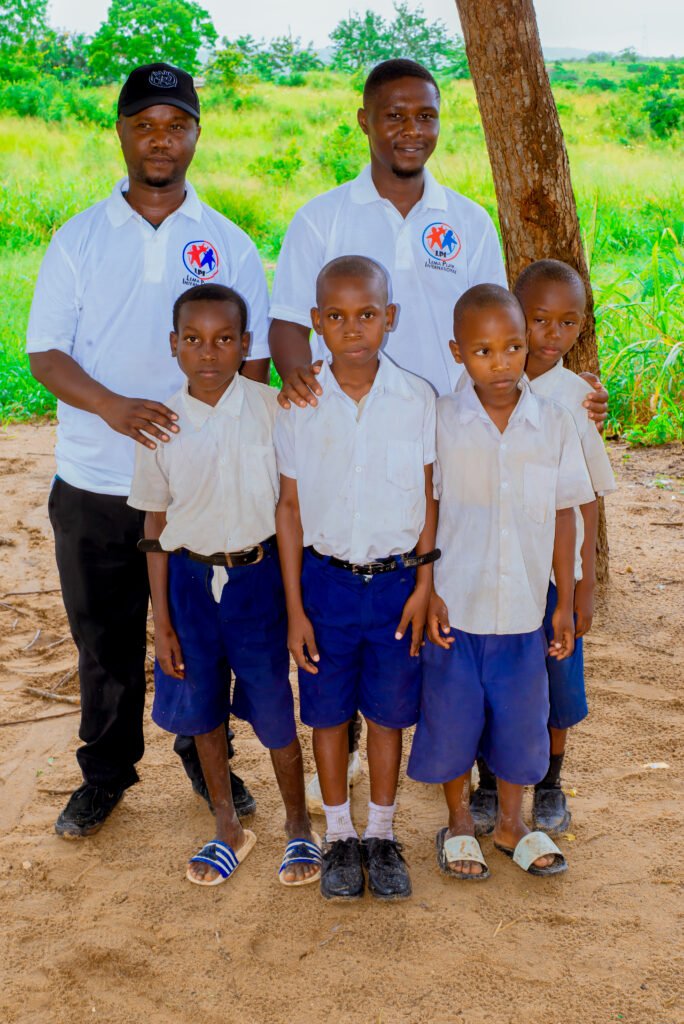
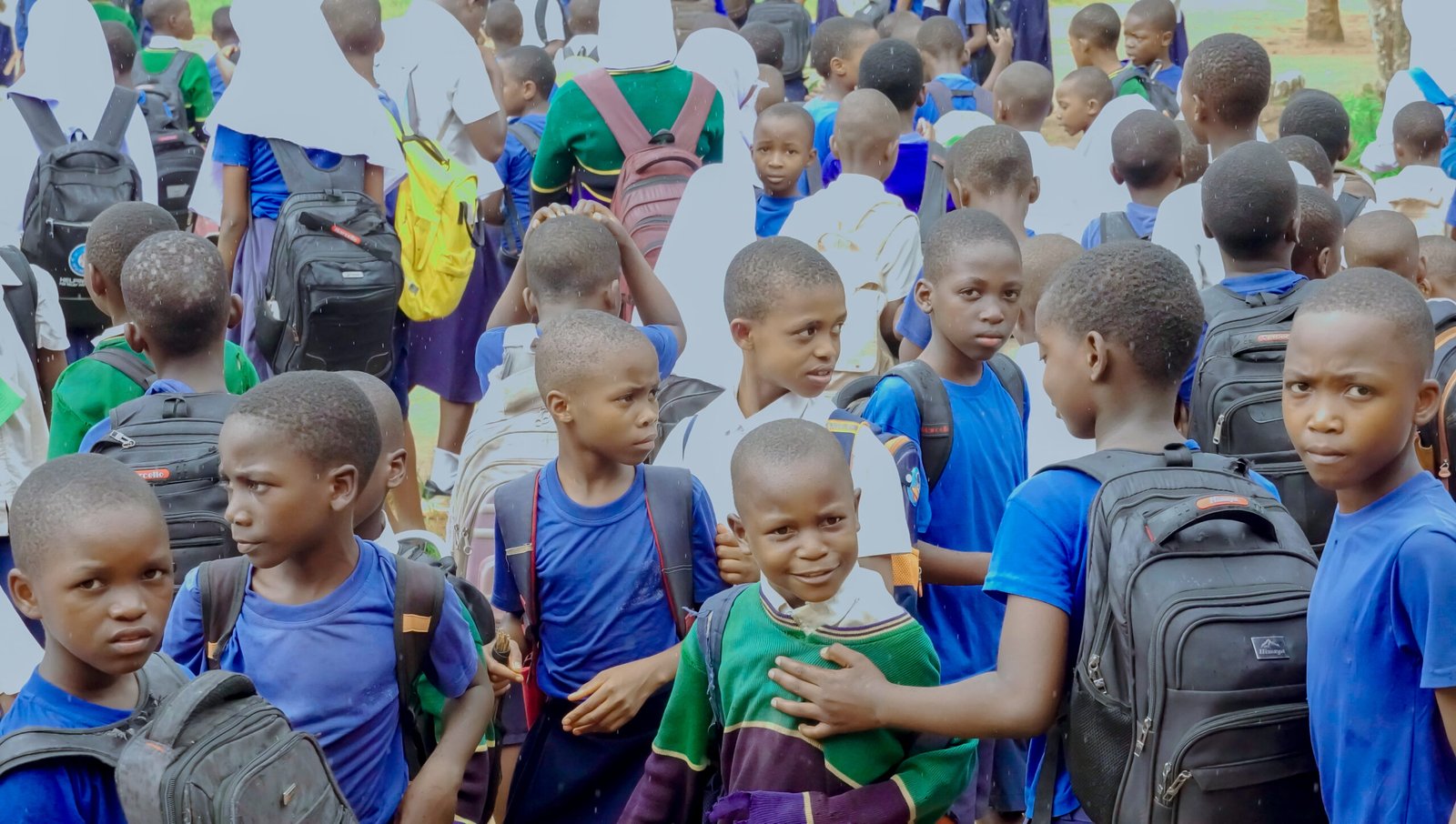
Access to quality education remains one of the greatest challenges facing children in vulnerable and low-income communities. In many schools across Kisarawe District, students regularly attend classes without basic educational materials such as notebooks, pens, sharpeners, and erasers.
The absence of these simple yet essential materials affects students’ ability to participate fully in classroom activities, complete written exercises, prepare for examinations, and engage confidently in their learning environment.
Teachers and school leadership highlighted the significant burden placed on families struggling to afford educational supplies, often resulting in children sharing writing materials or attending school without the tools required for meaningful participation.
Recognizing this challenge, Lema Plan International launched the Kisarawe Education Support Project to strengthen access to educational materials and improve learning conditions for vulnerable learners.
The project was built around a simple but powerful conviction:
No child should miss an exam because of a pen.
This initiative sought not only to provide school materials, but also to restore dignity, improve educational participation, and support equal access to learning opportunities.
3. Project Objectives
The project aimed to achieve the following objectives:
- Improve access to essential educational materials for vulnerable students.
- Reduce the sharing of stationery among learners.
- Improve student participation in classroom activities and examinations.
- Strengthen learning conditions within beneficiary schools.
- Reduce the financial burden on families struggling to afford school supplies.
- Promote equitable access to education among underserved communities.
4. Project Implementation Overview
One of the realities of working in rural communities is learning that even the best planning cannot always predict what happens on the ground.
When we launched the Kisarawe Education Support Project, we knew that April falls during Tanzania’s rainy season. We planned carefully. Logistics were organized in advance, agreements were signed, transportation was coordinated, and our local team prepared for the long journeys ahead. The goal was simple but urgent: to ensure that children had the basic educational materials they needed to learn with dignity.
But sometimes, the field reminds you that preparation and reality do not always meet in expected ways.
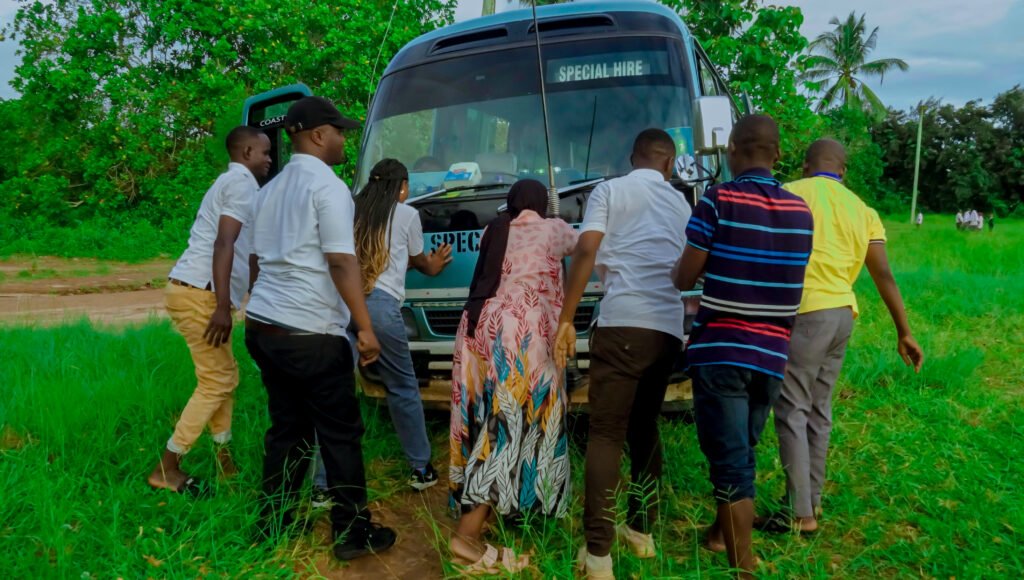
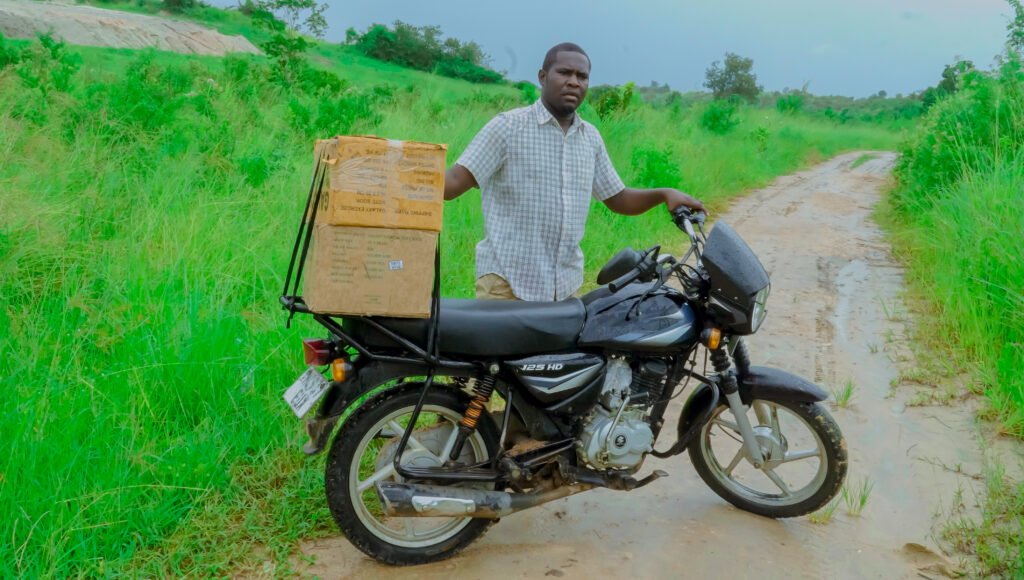
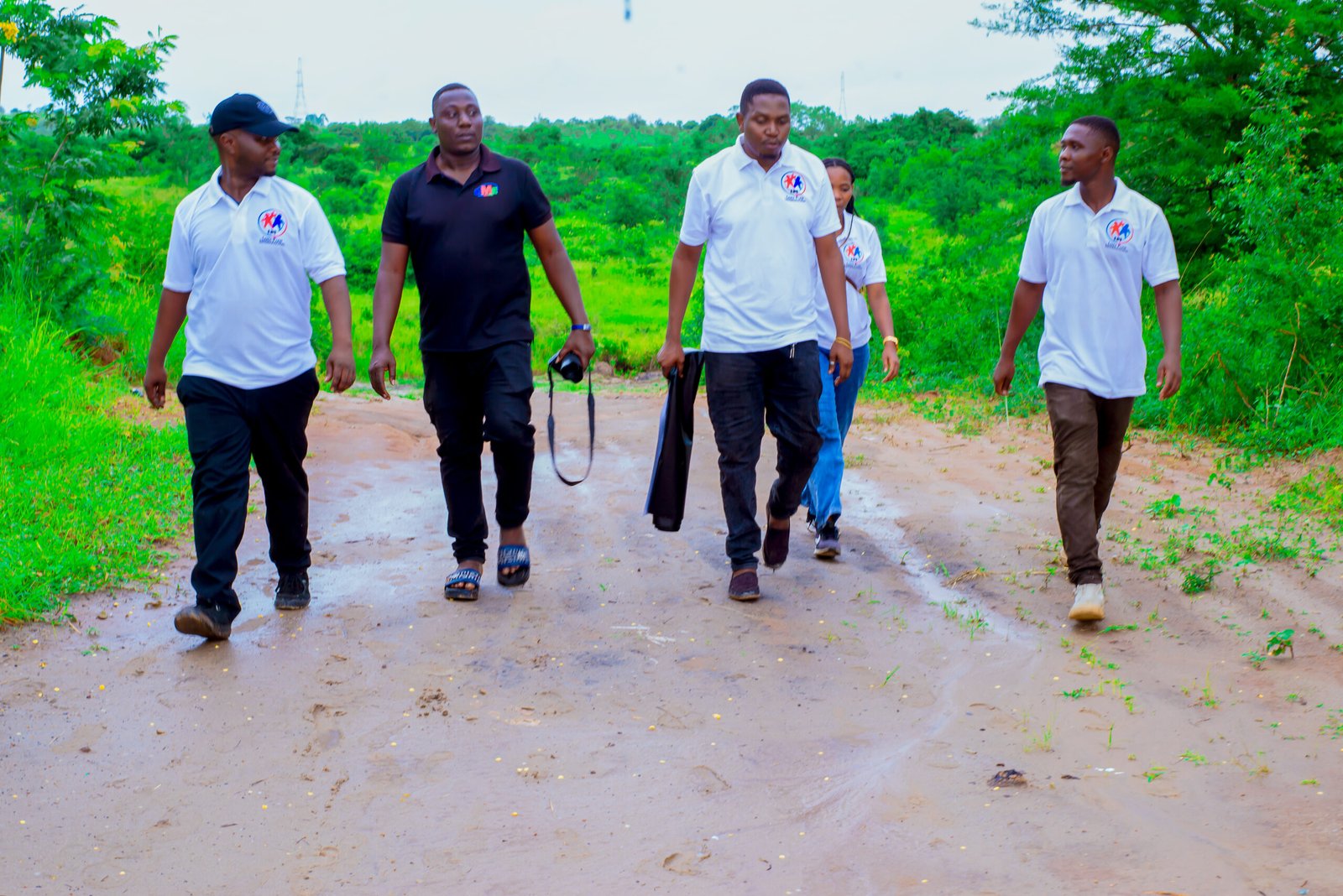
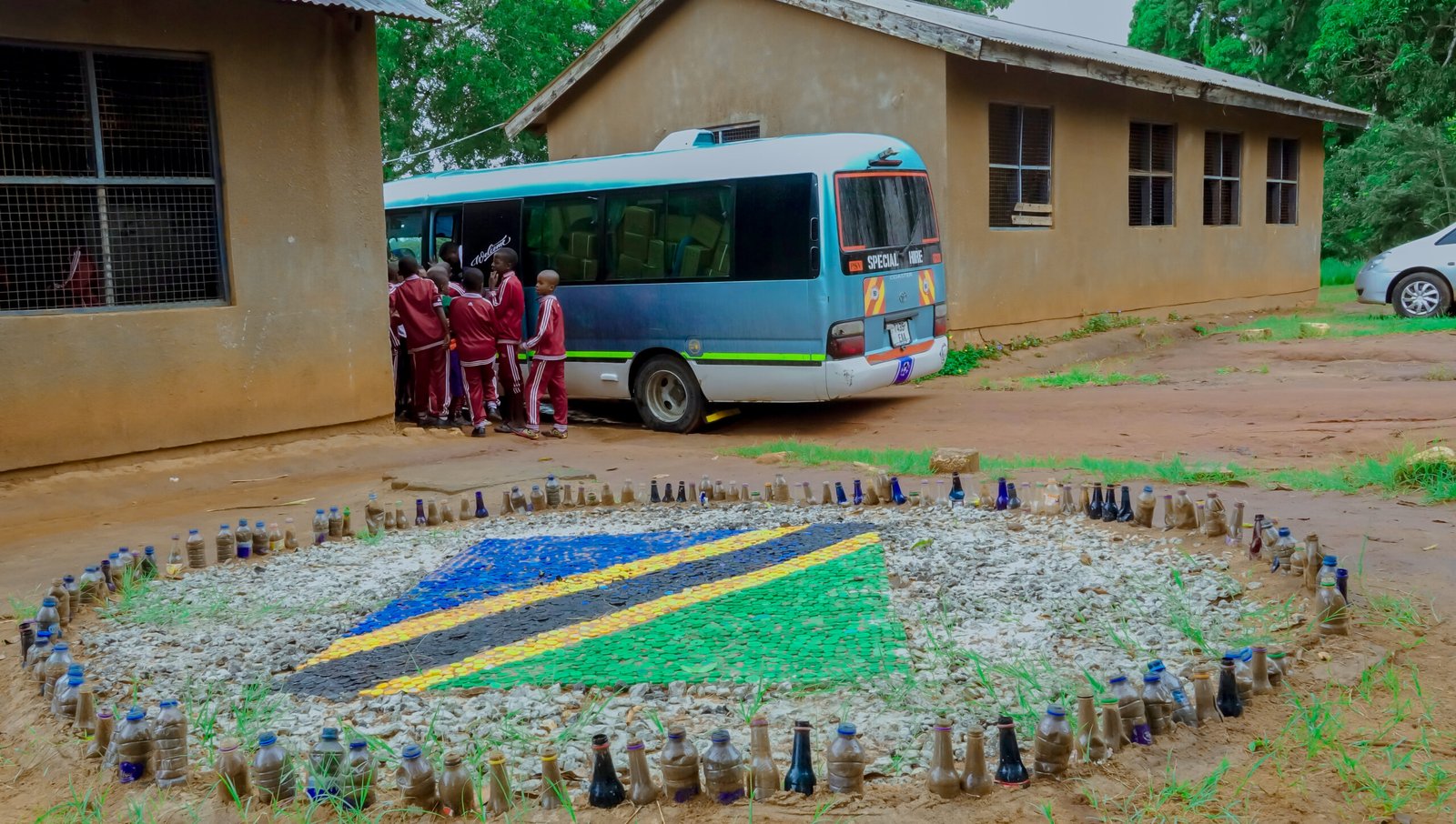
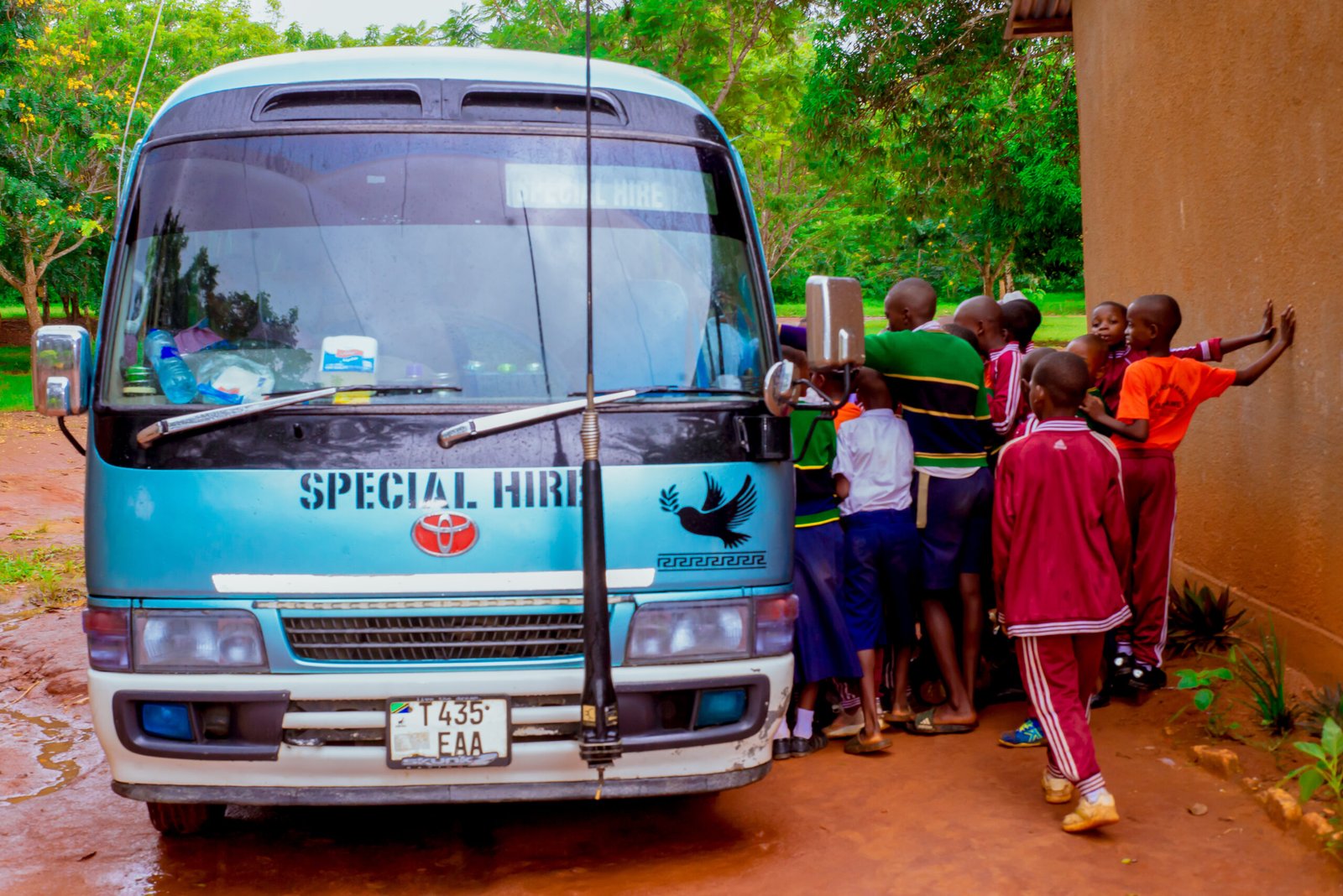
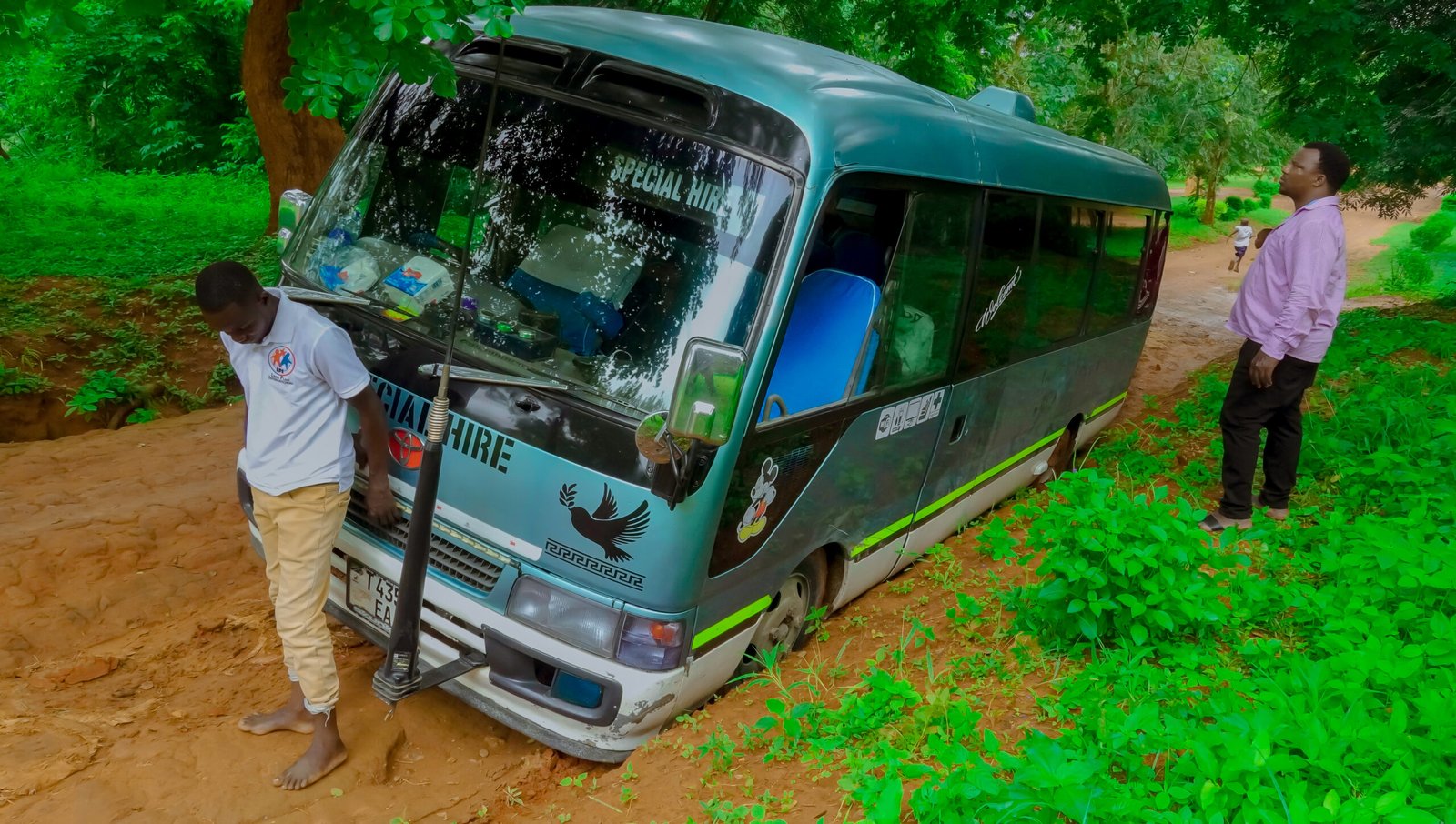
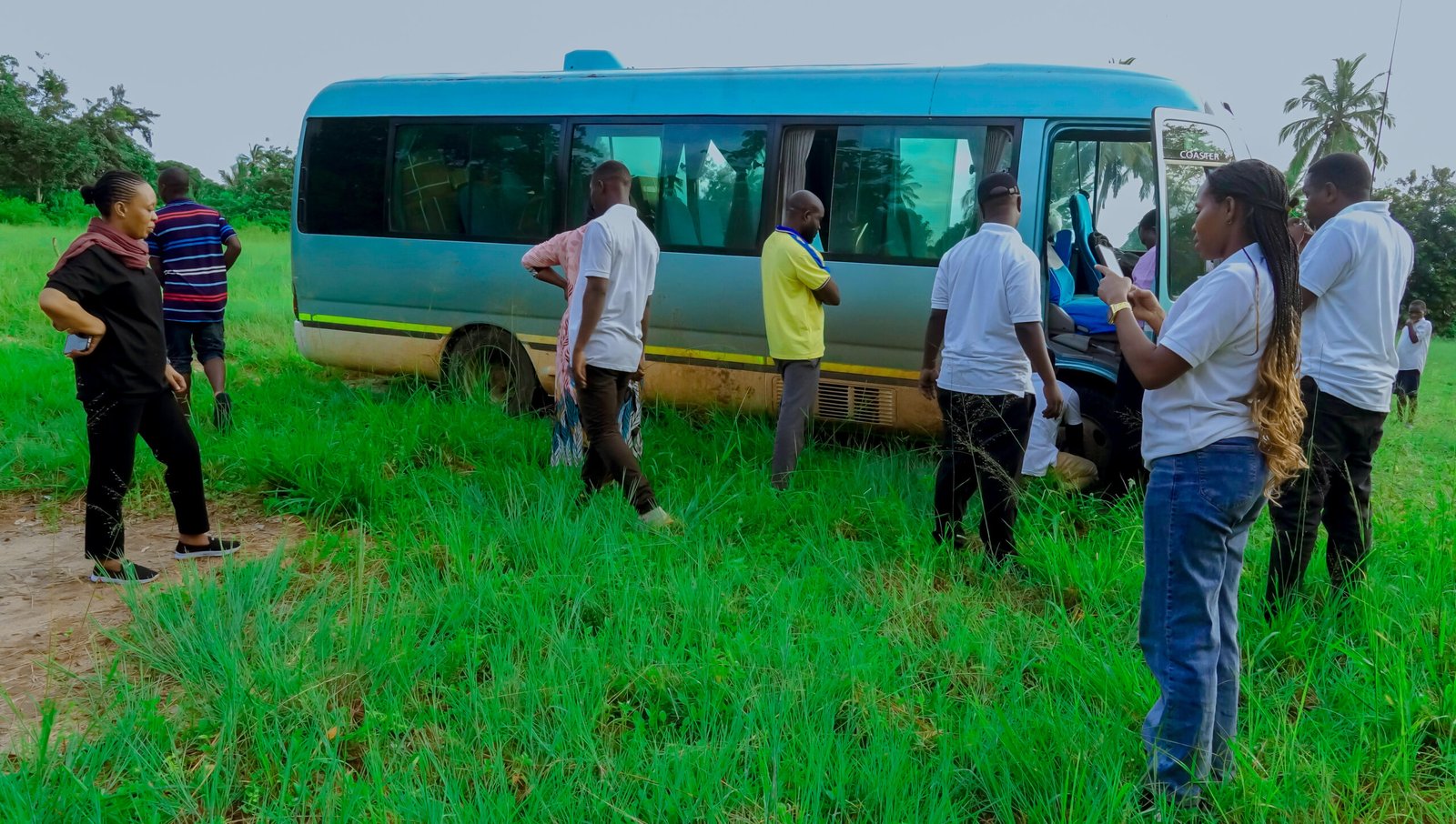
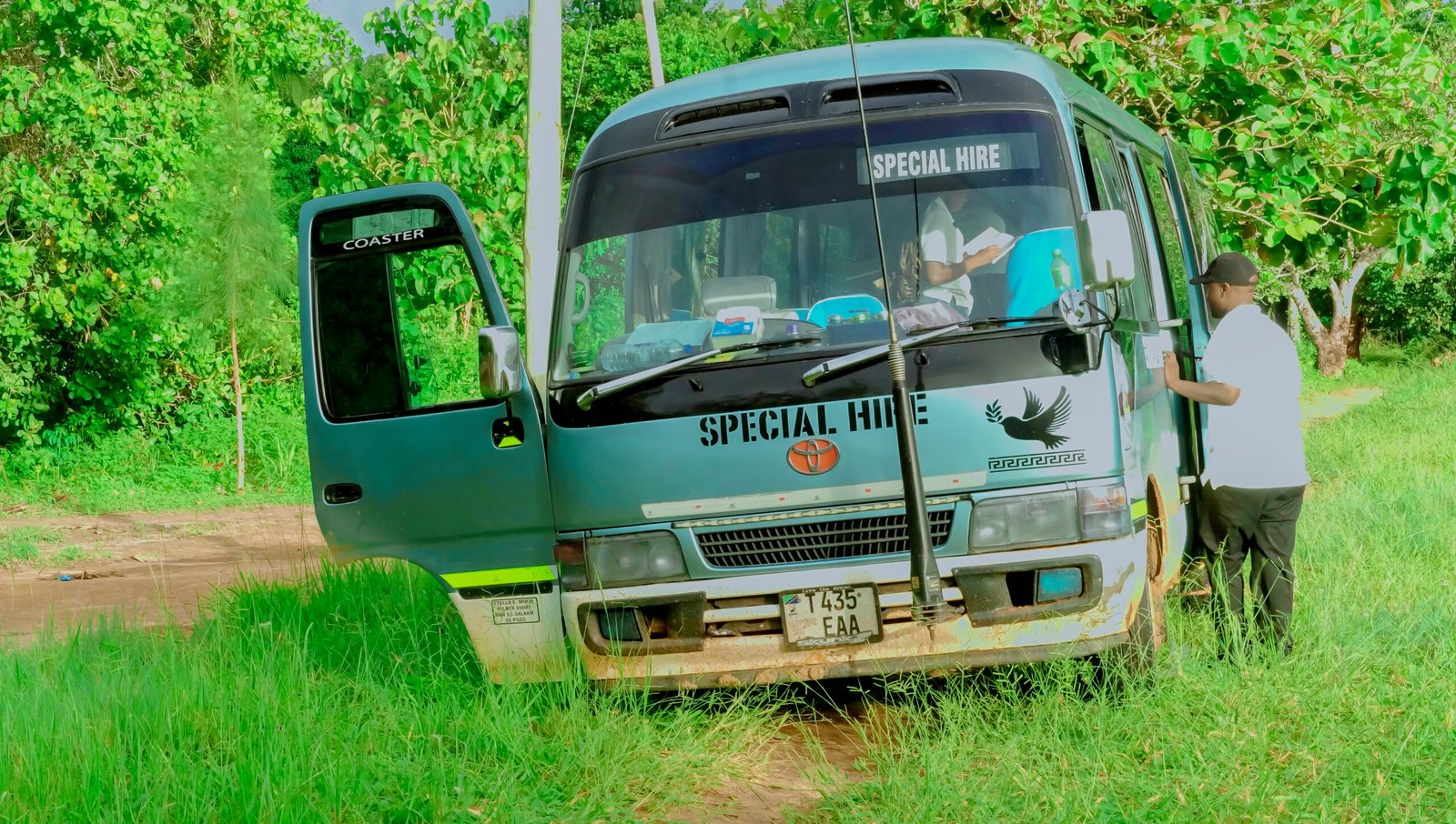
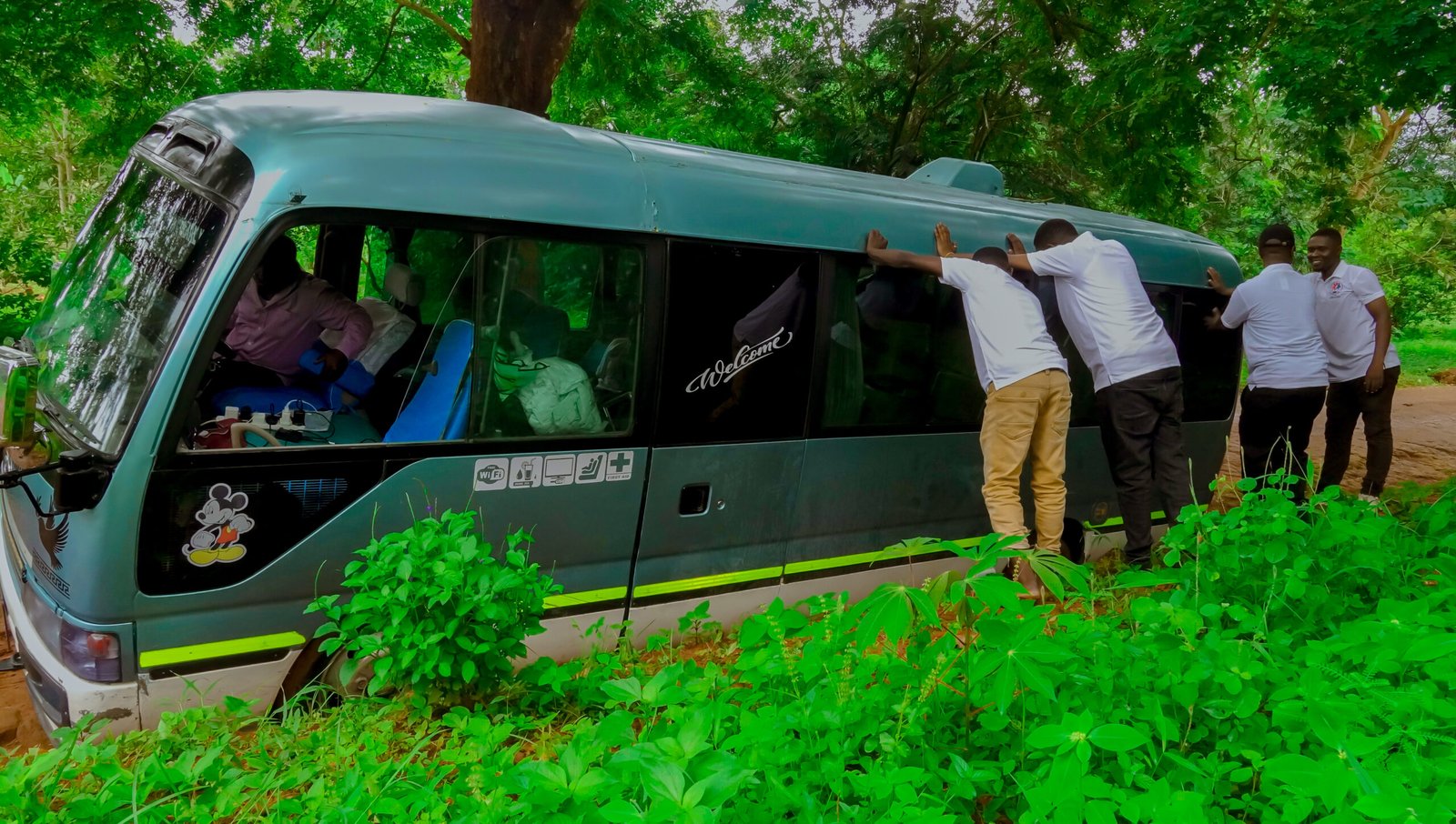
Most of our team members travelled from Dar es Salaam, where the weather, although rainy, had not suggested the level of difficulty we would later encounter. As we moved toward some of the project areas, heavy rains had severely affected road conditions. Certain routes became difficult to access, and transportation slowed significantly.
Rather than rush the process or risk compromising the quality of implementation, the team adapted.
The project was carried out in two operational phases, allowing us to safely and effectively reach every targeted school.
Phase I – 12 April 2026
The first round of distribution reached:
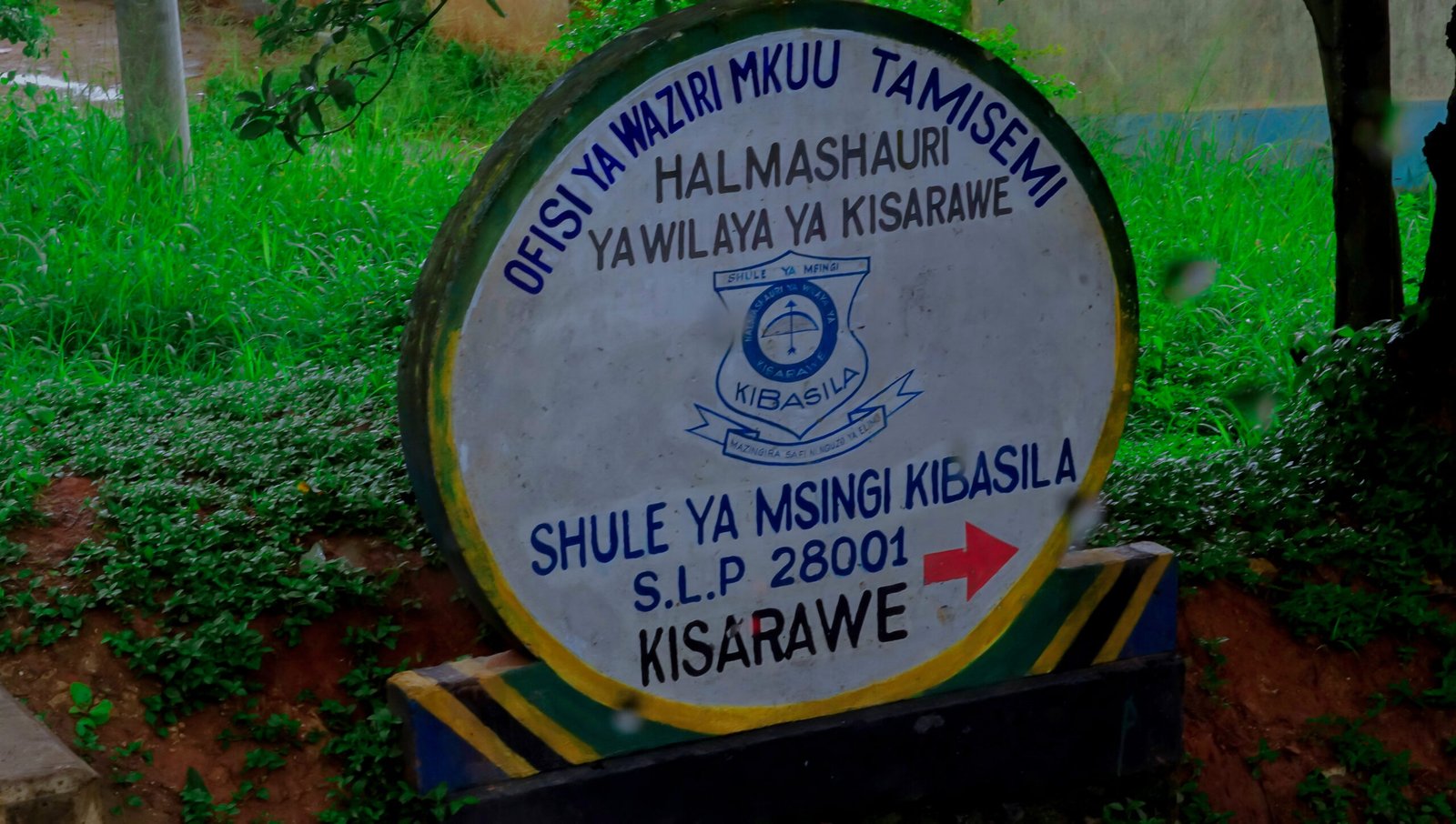
- Kibasila Primary School
- Visegese Primary School
- Chang’ombe B Primary School
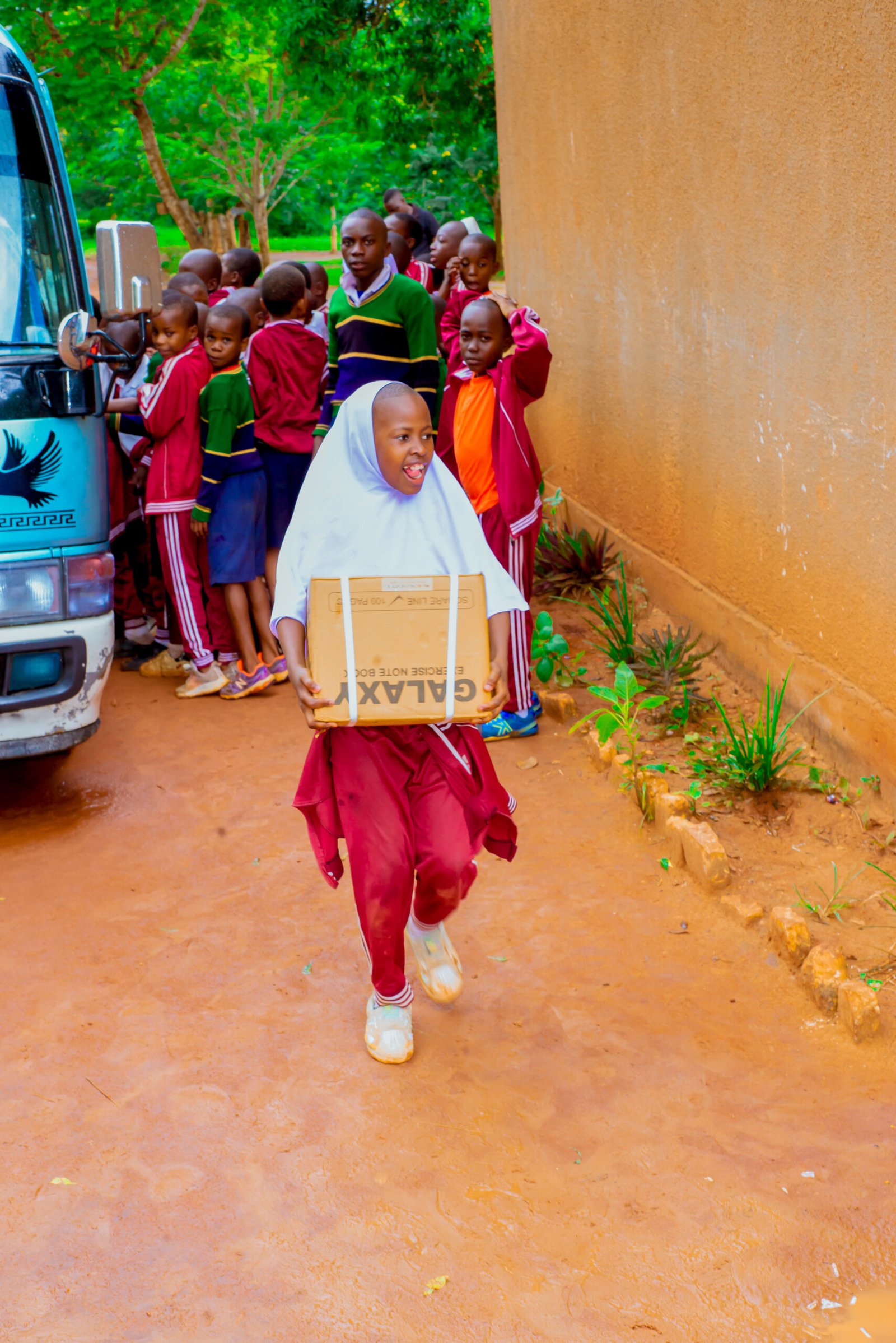
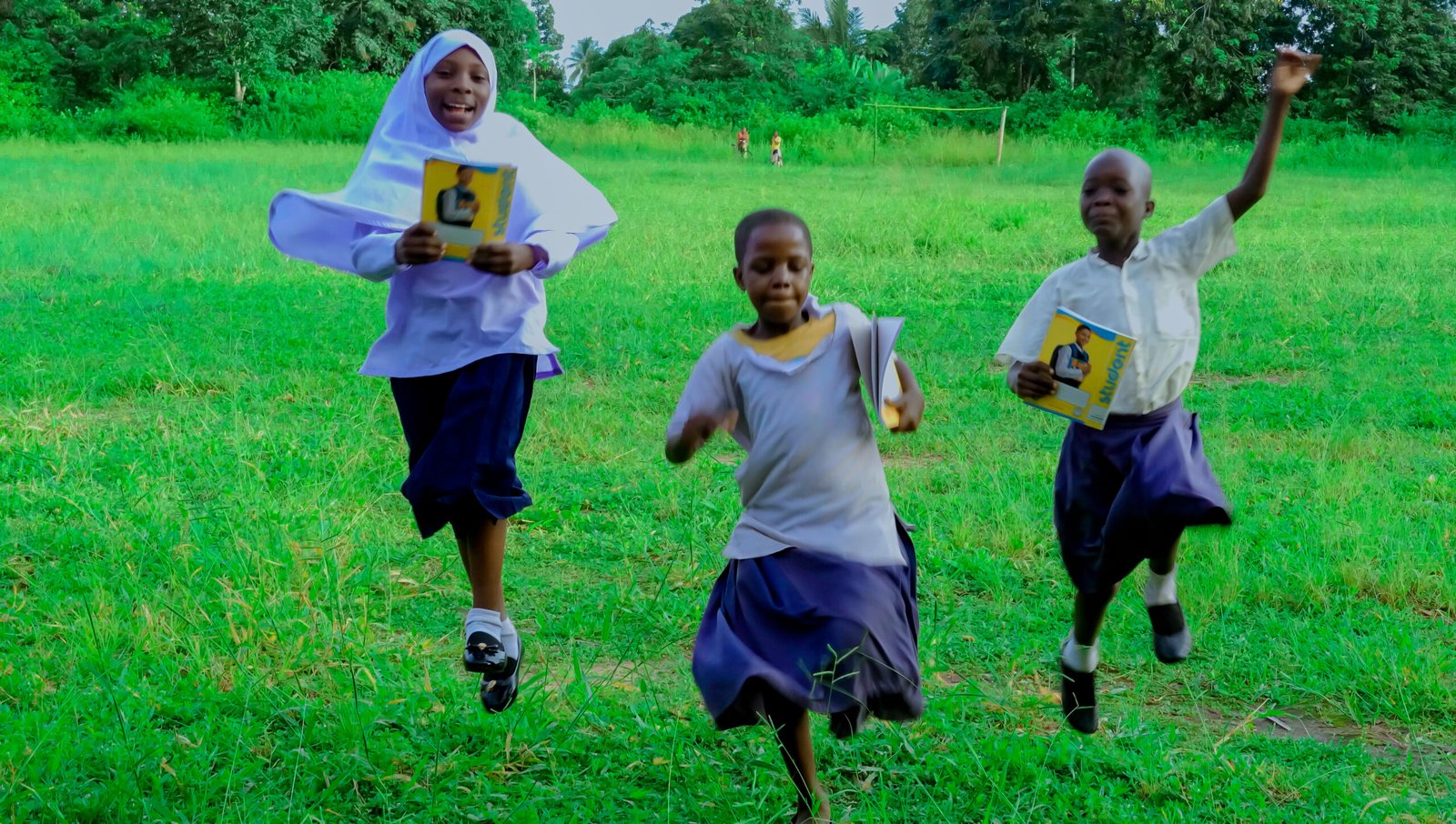
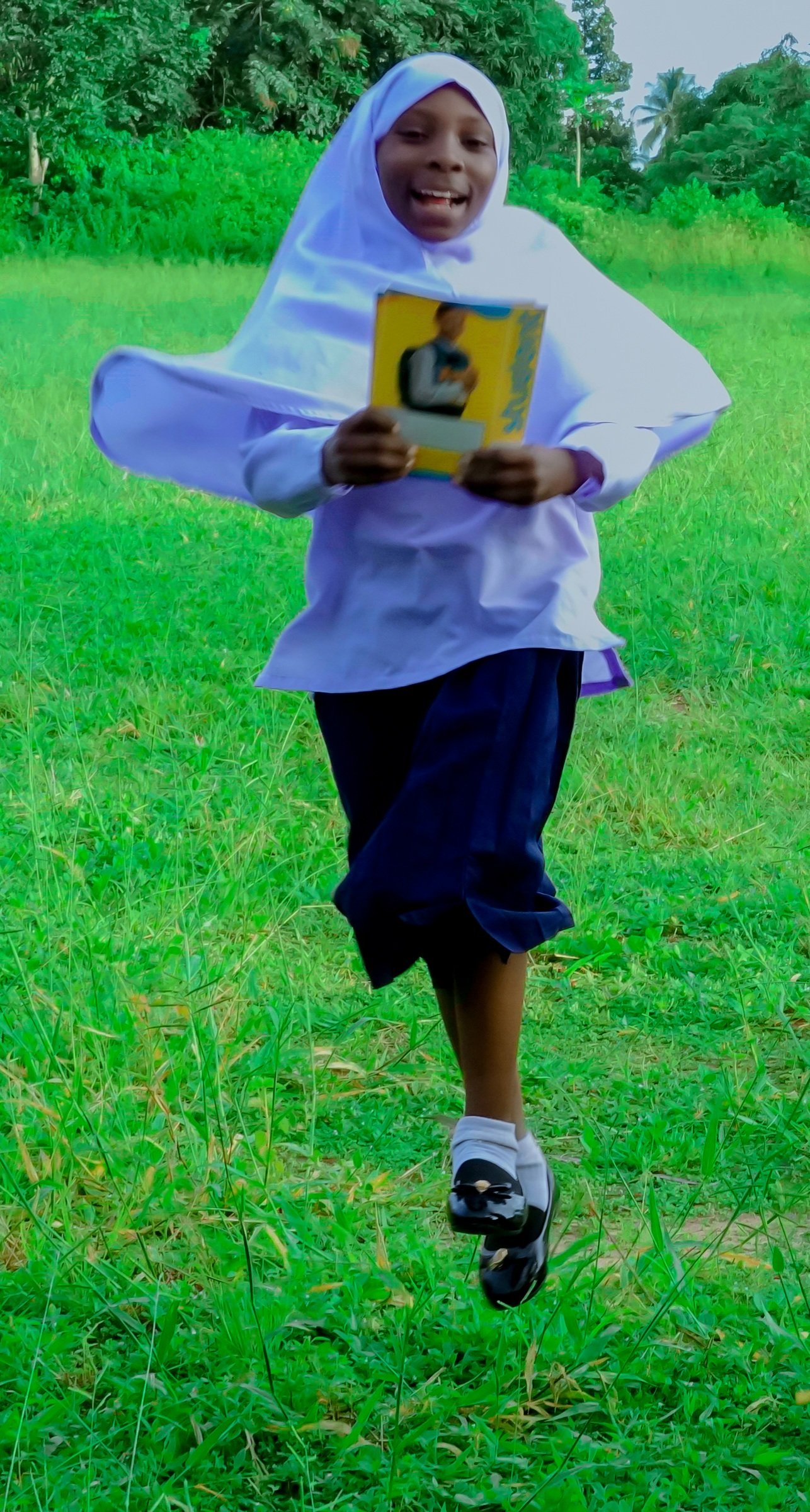
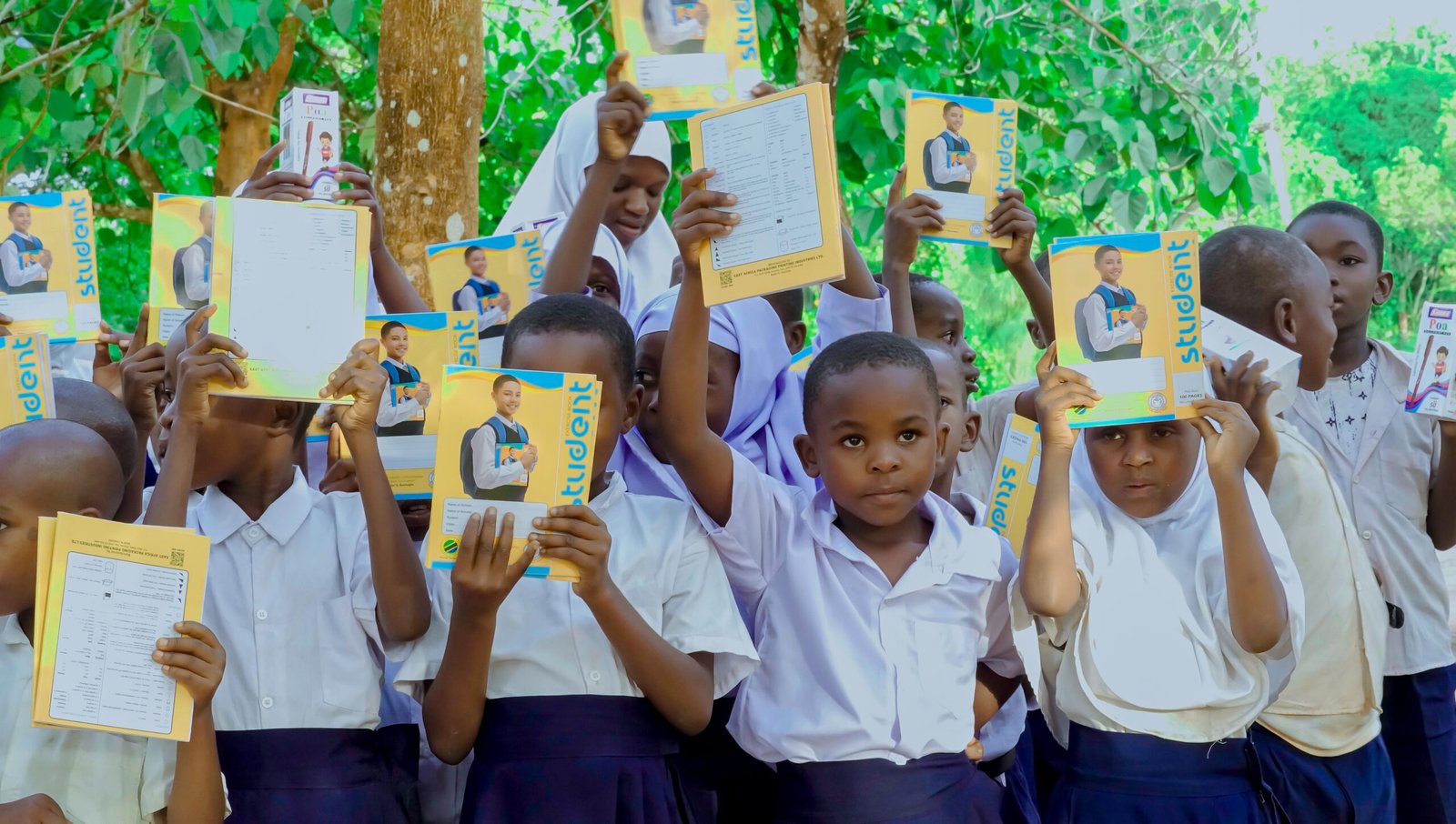
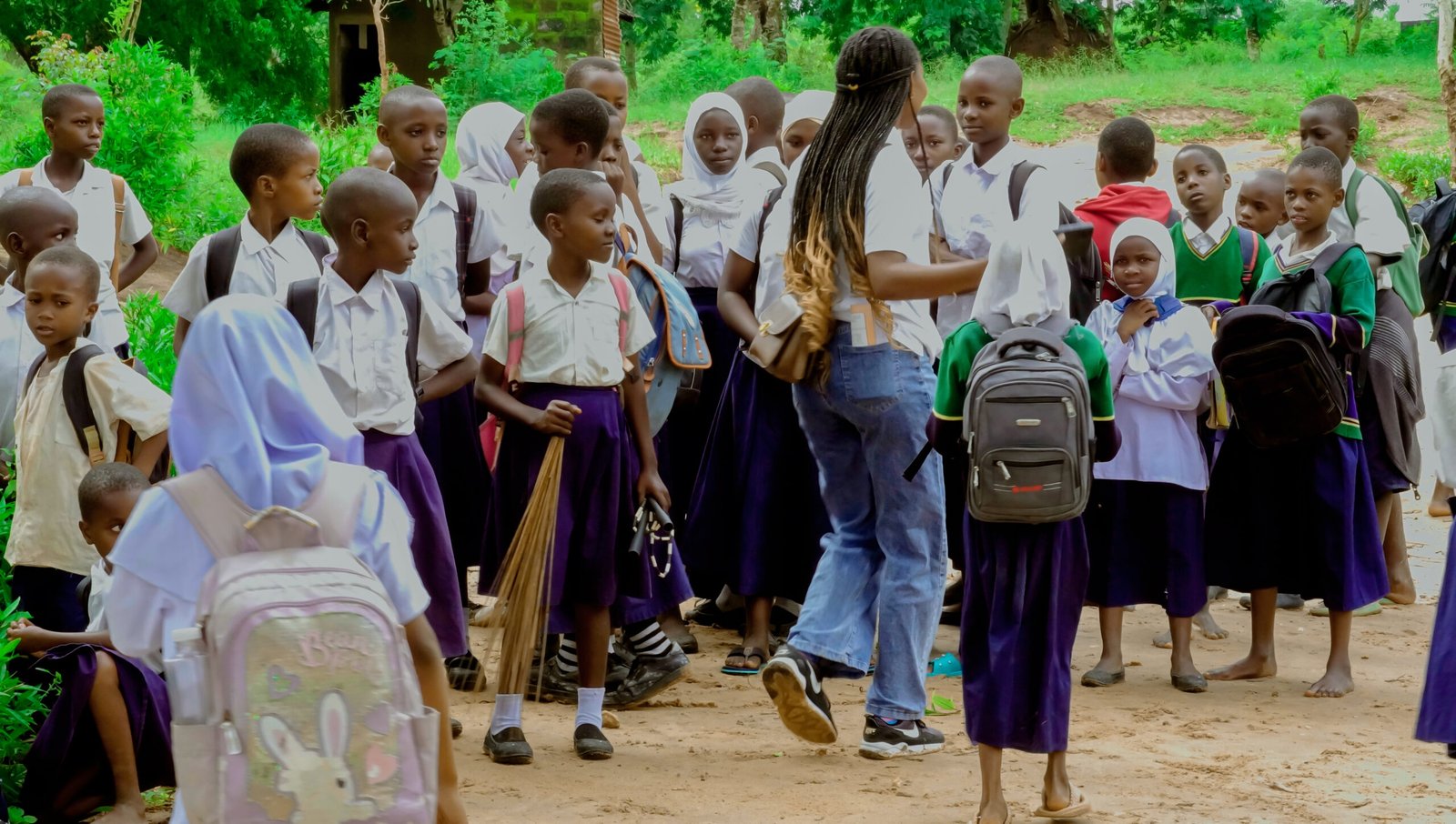
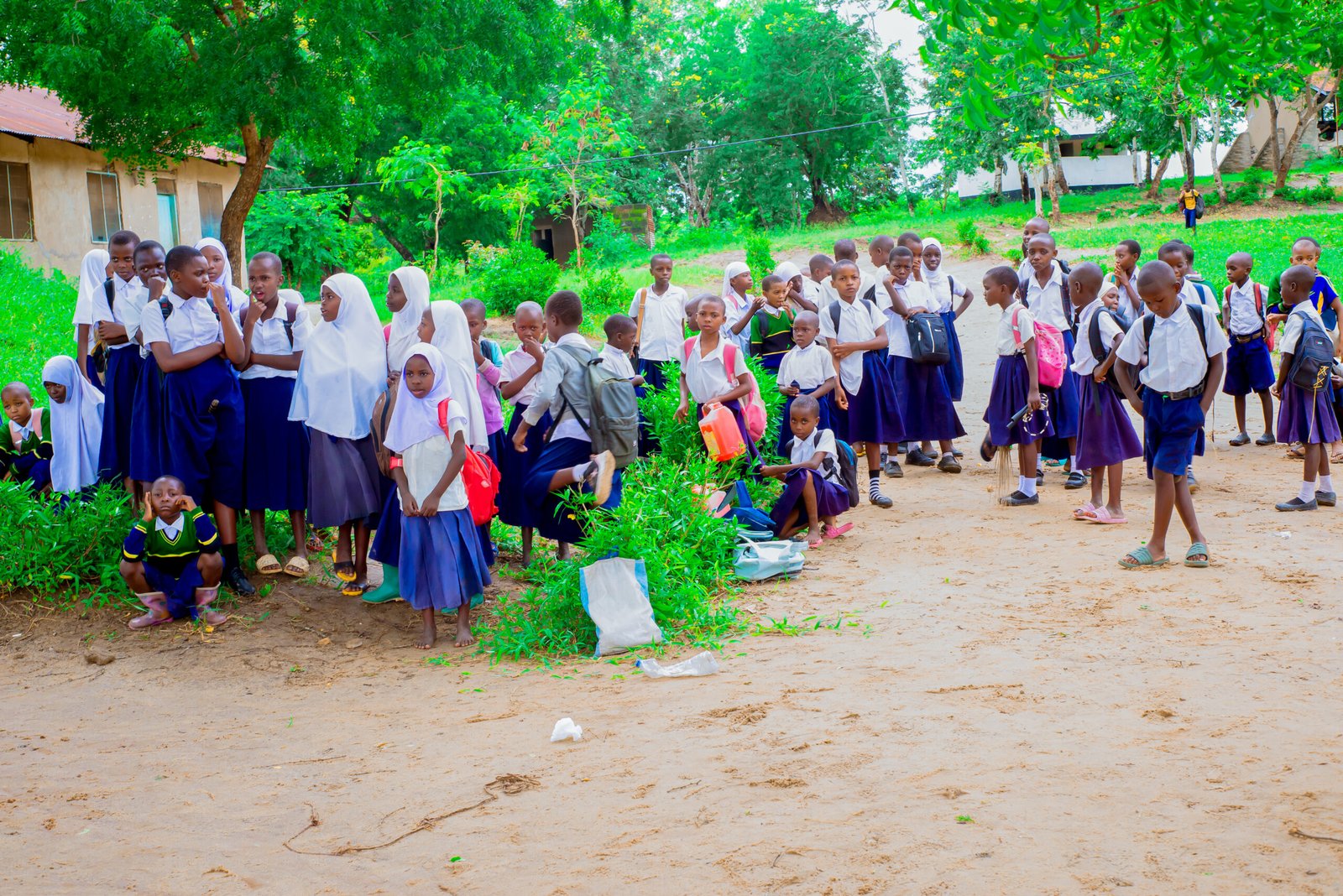
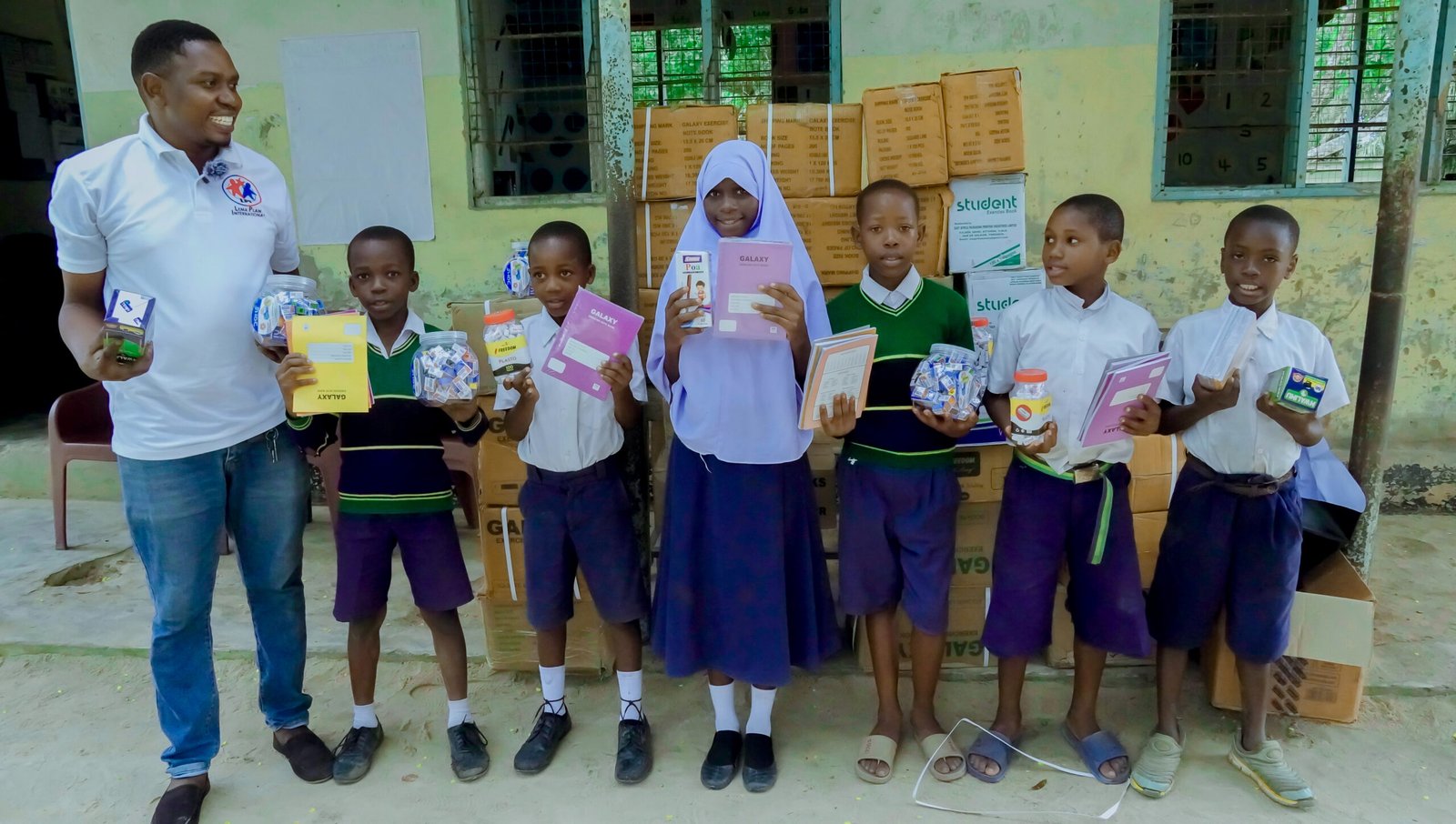
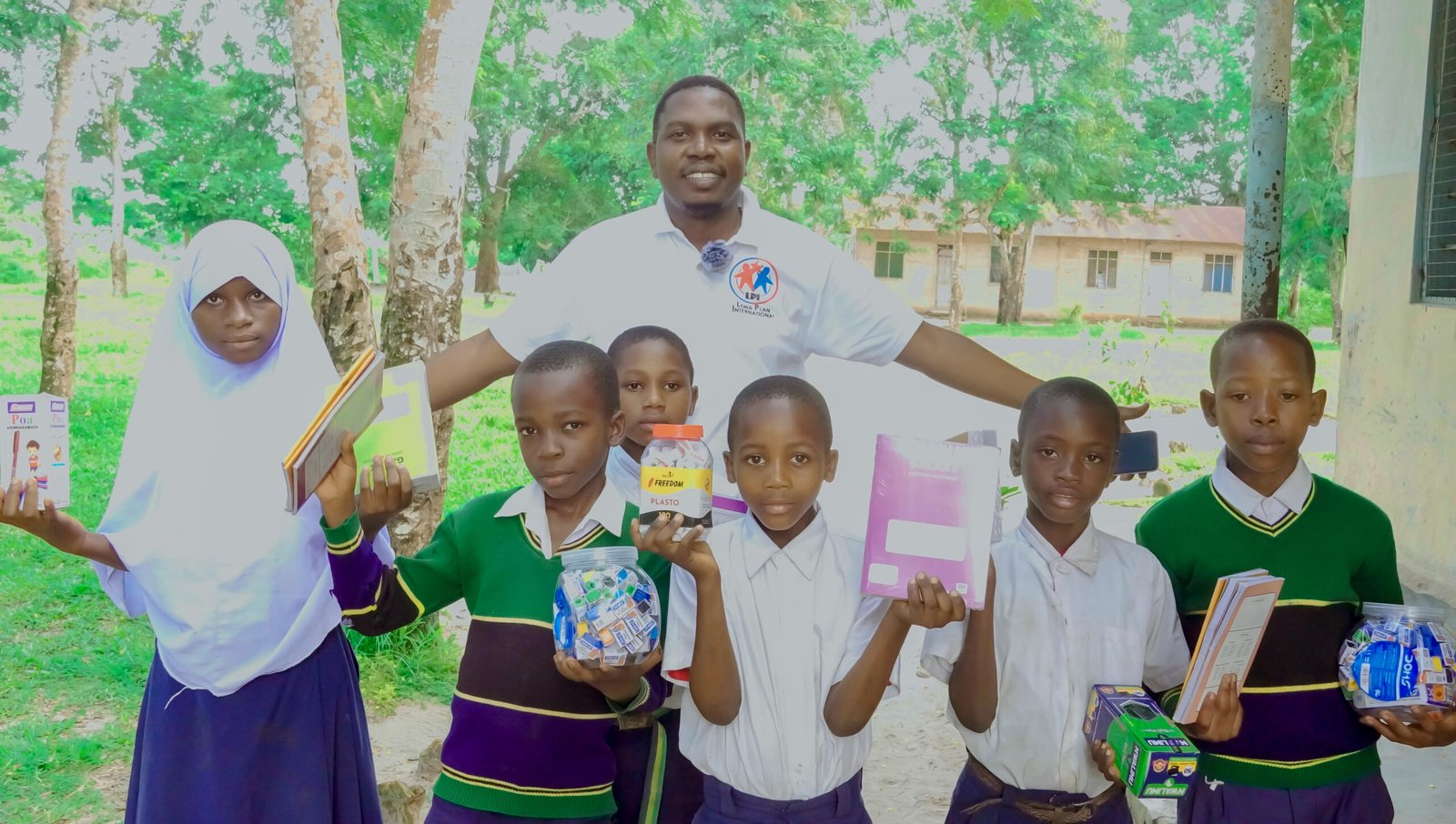
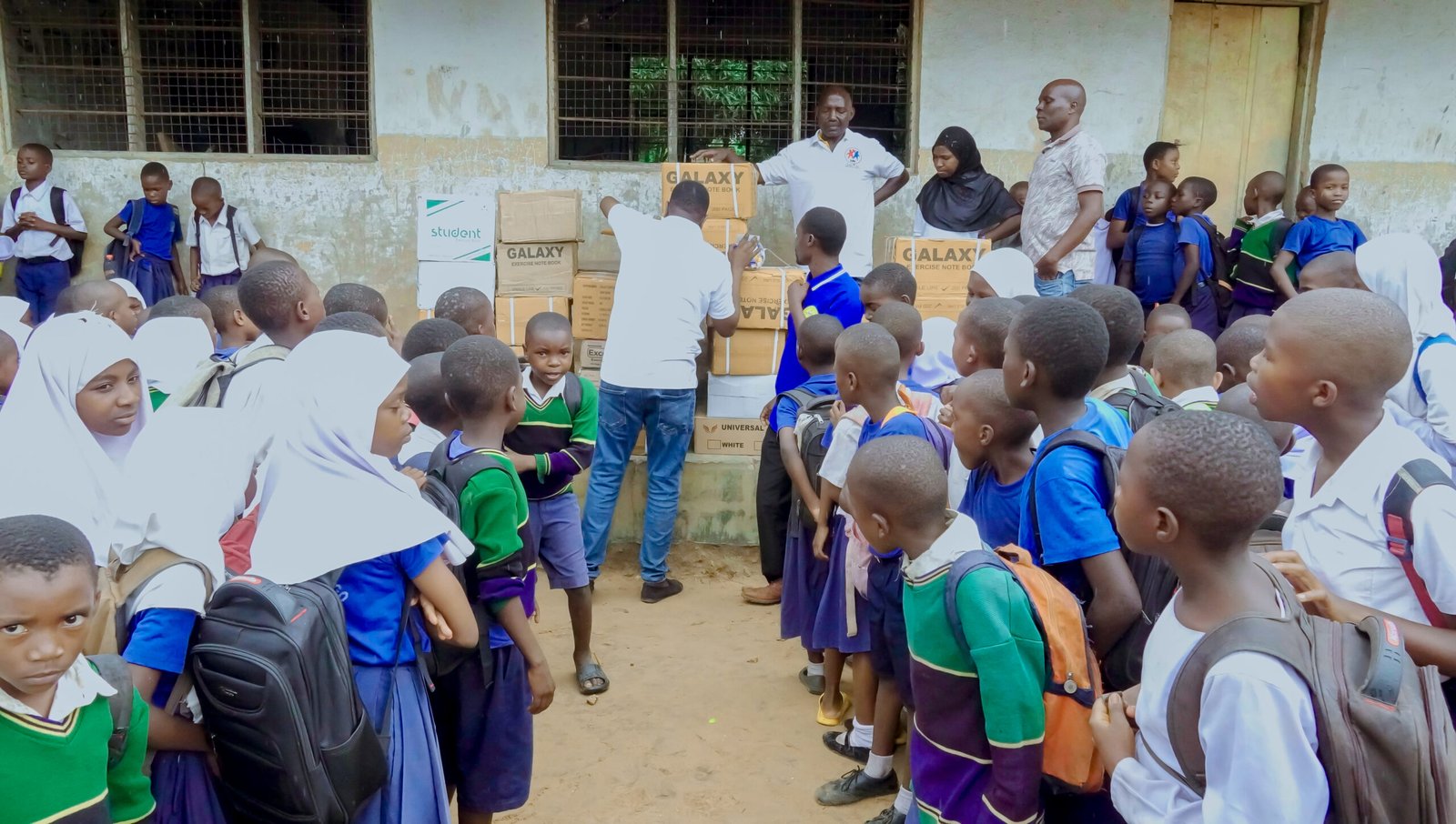
Despite difficult terrain and persistent rain, the team successfully delivered educational materials to students who often attend school without the basic tools needed for learning.
Phase II – 29 April 2026
The second phase completed the journey, reaching:
- Gumba Primary School
- Chale Primary School
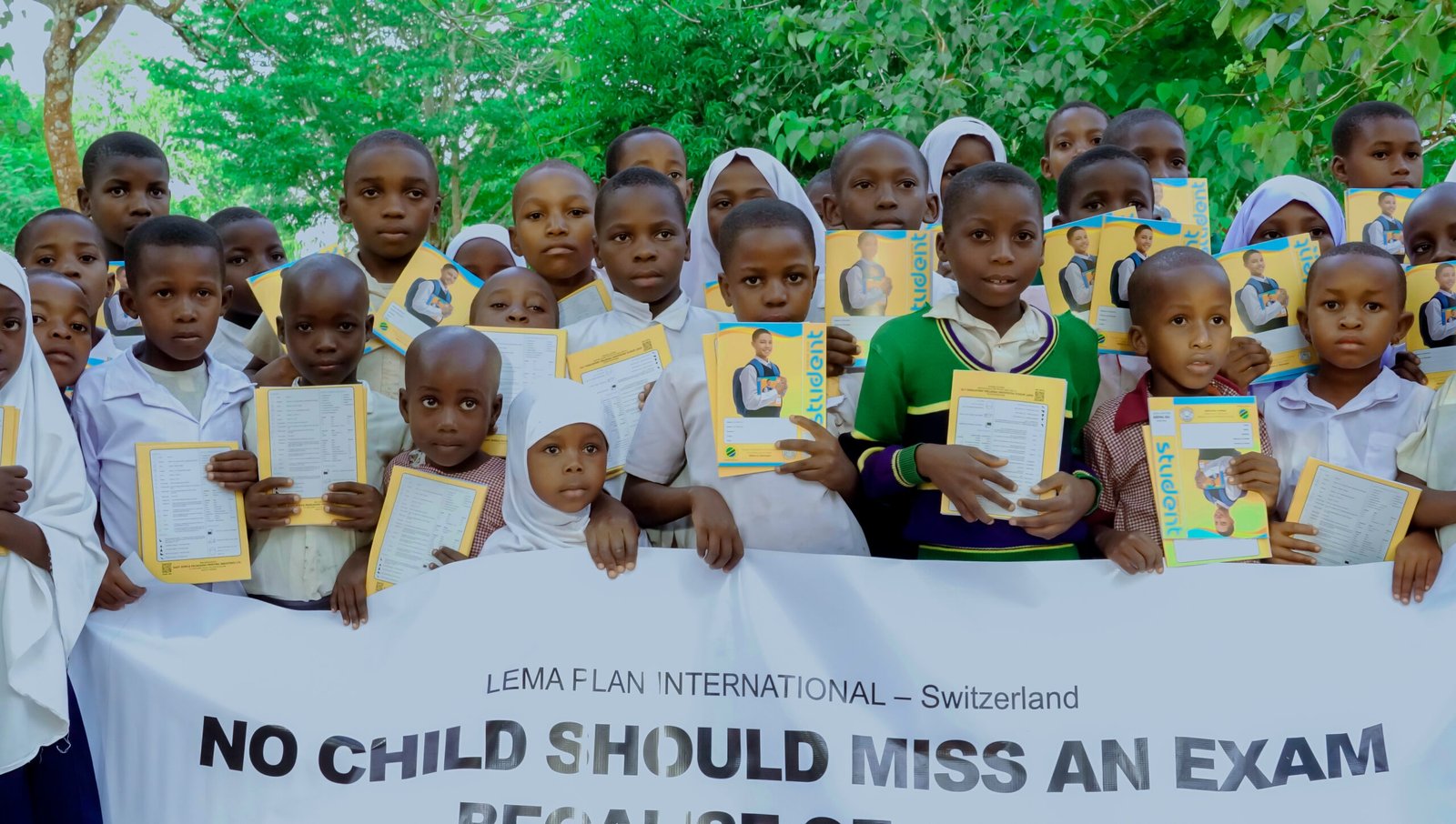
With additional coordination and adjusted travel planning, the remaining schools were successfully reached.
Looking back, this experience reminded us of something important: meaningful impact is rarely without challenges. Sometimes, serving vulnerable communities means adjusting plans, navigating uncertainty, and remaining committed even when the road becomes difficult — quite literally.
What mattered most is that every targeted school was reached, and children received the materials they needed. Because at Lema Plan International, we believe something simple but powerful:
No child should miss an exam because of a pen.
5. Beneficiary Schools and Project Reach
The project directly reached five beneficiary primary schools within Kisarawe District.
Beneficiary School | Estimated Direct Beneficiaries |
Kibasila Primary School | 490+ students and teachers |
Visegese Primary School | 191+ students and teachers |
Chang’ombe B Primary School | 248+ students and teachers |
Chale Primary School | 219+ students and teachers |
Gumba Primary School | 250+ students and teachers |
Beyond direct beneficiaries, the broader district-level educational impact is estimated between 2,500 and 3,000 learners and education stakeholders, including students, teachers, and classroom support beneficiaries, considering classroom-wide sharing effects and school-level educational support.
The project strengthened access to educational materials among vulnerable learners while supporting schools facing persistent shortages of learning resources.
6. Educational Materials Distributed
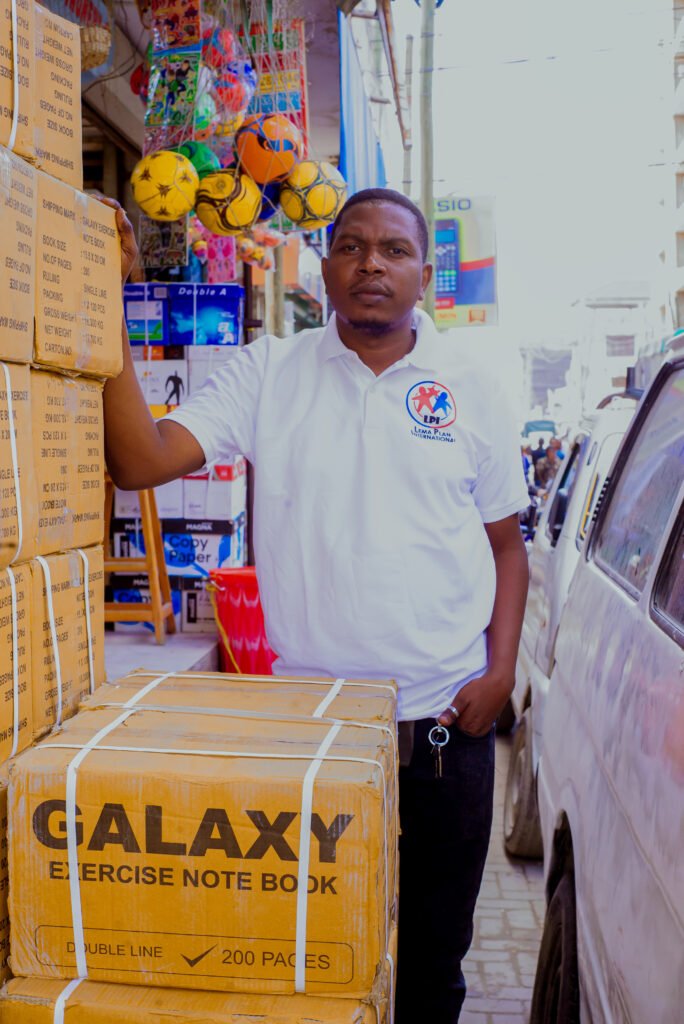
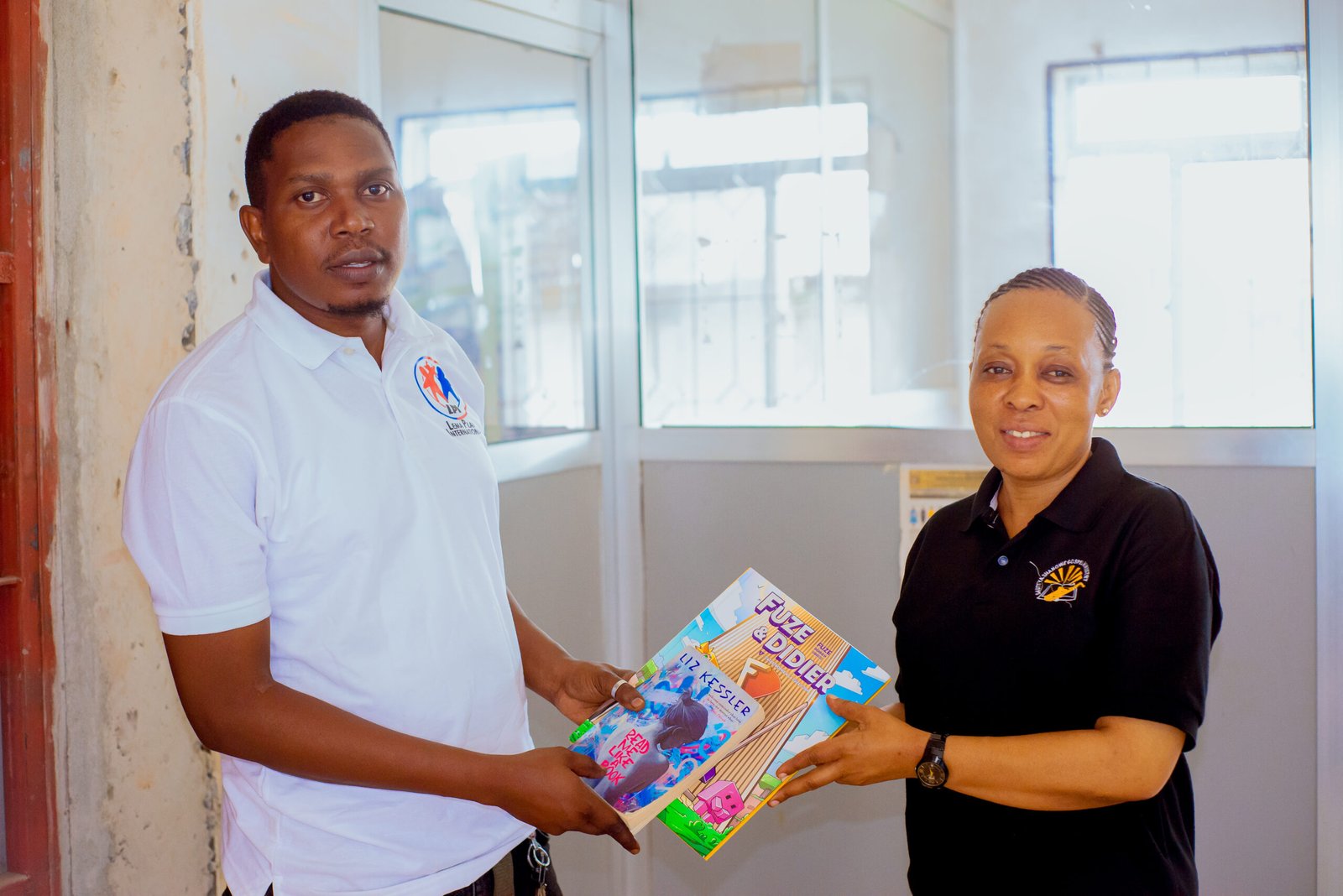
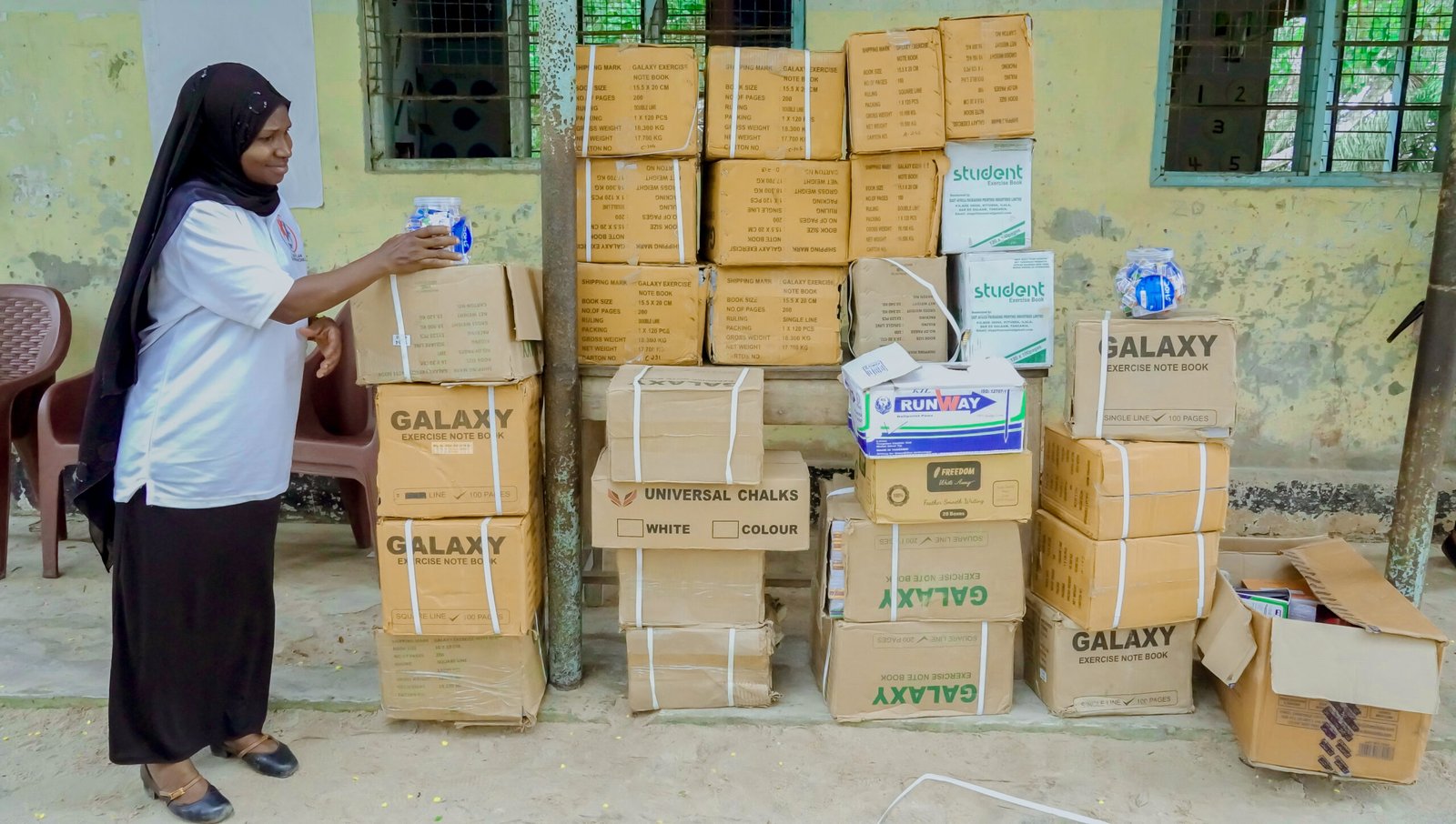
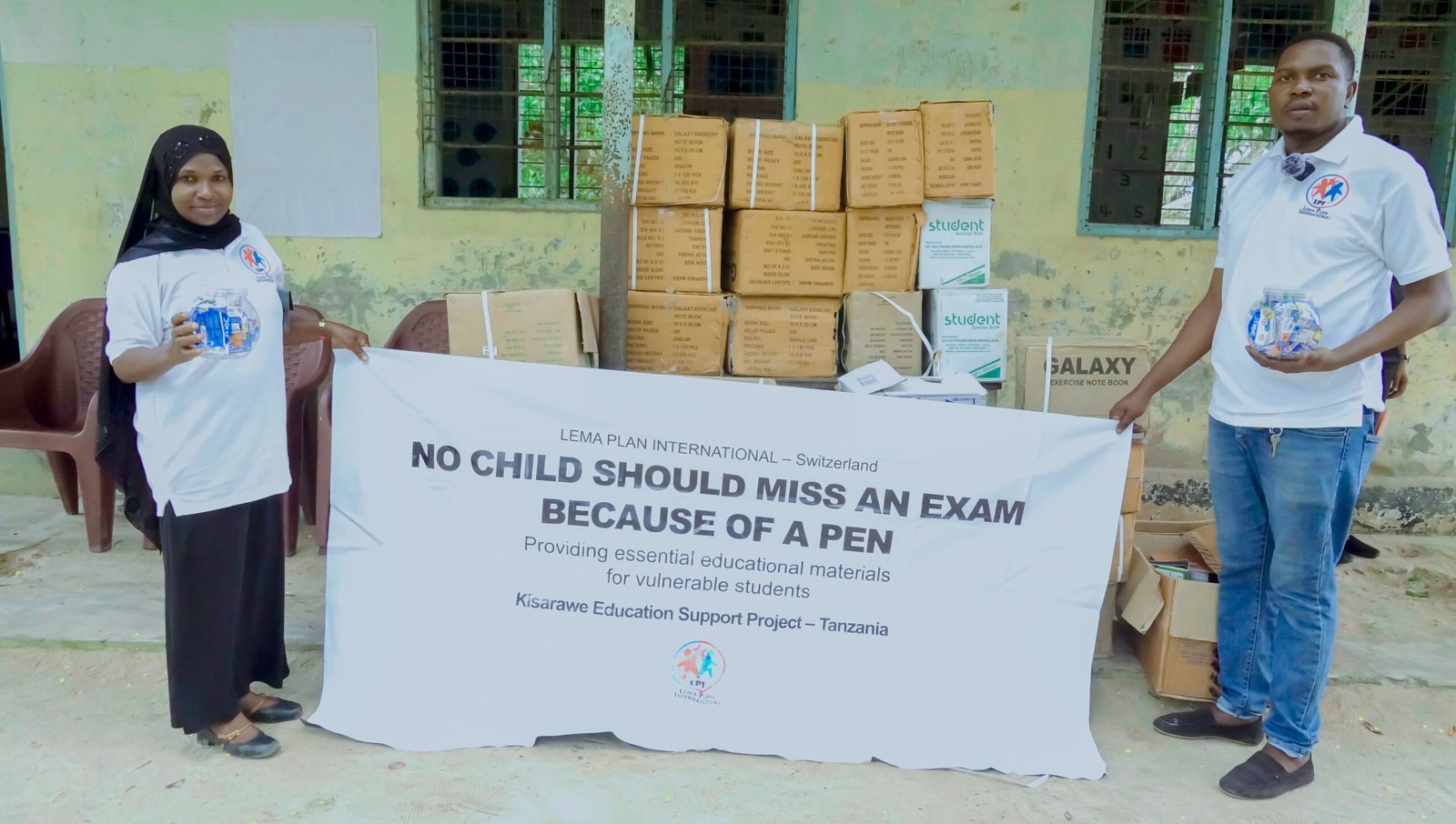
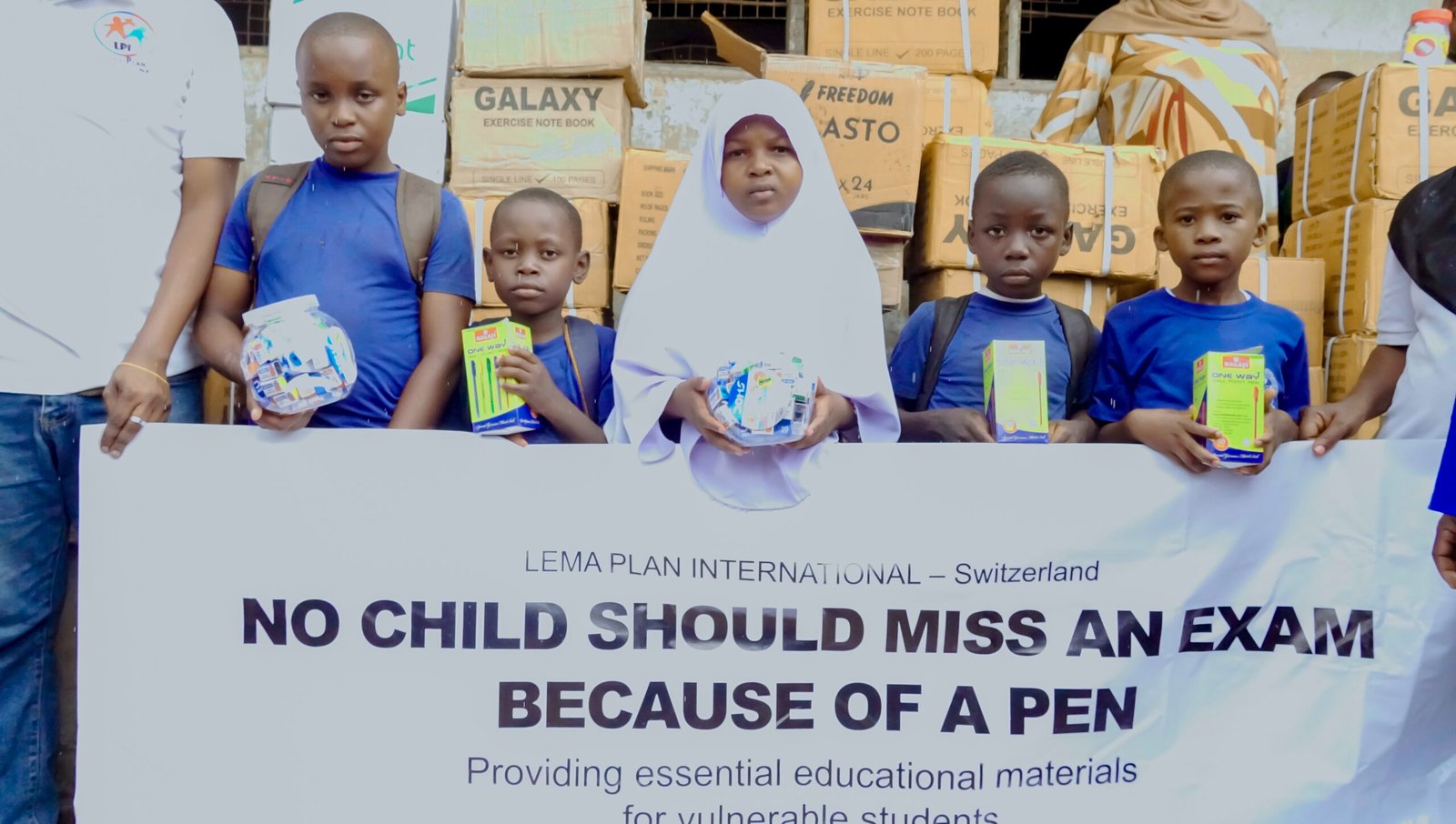
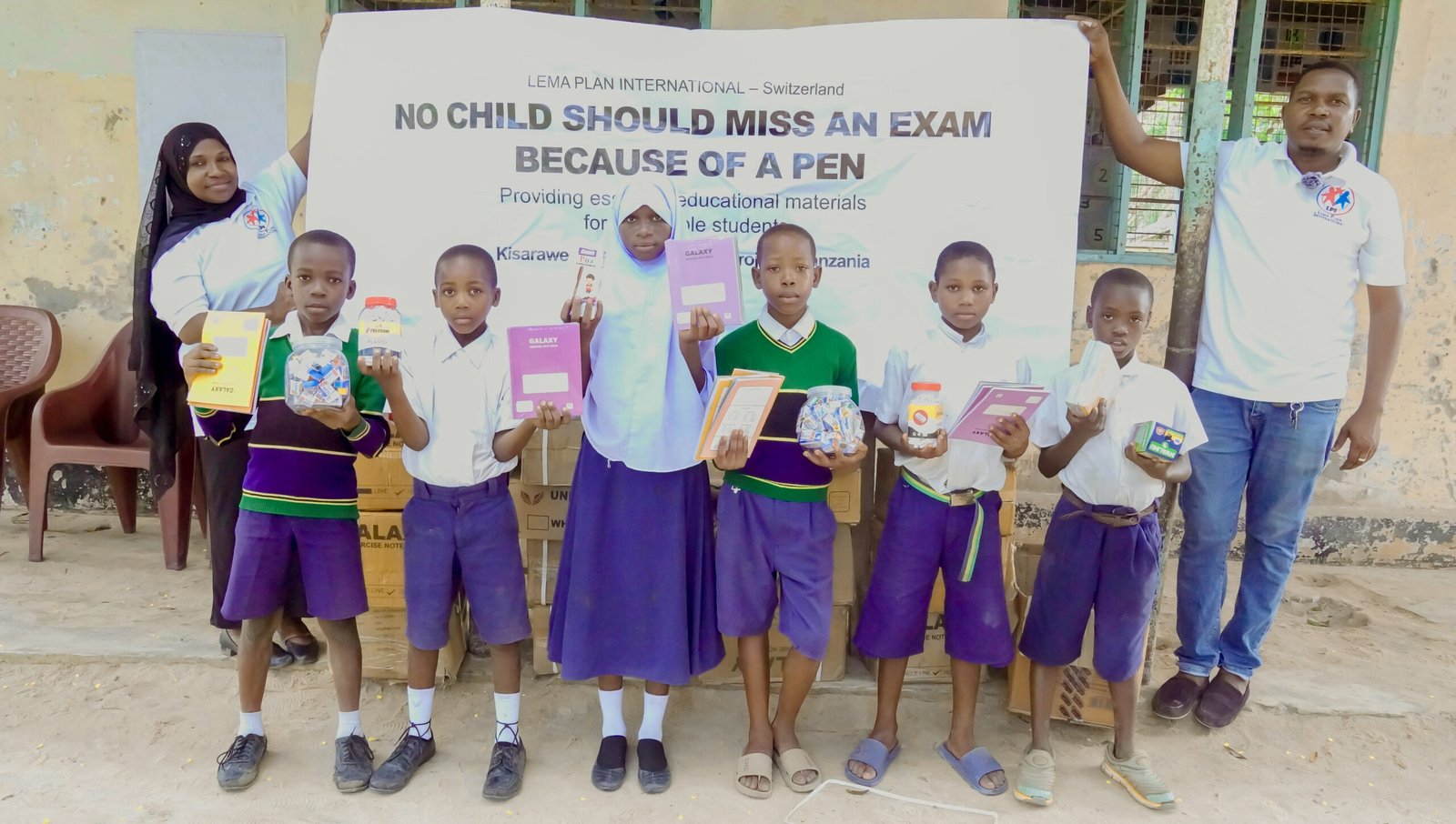
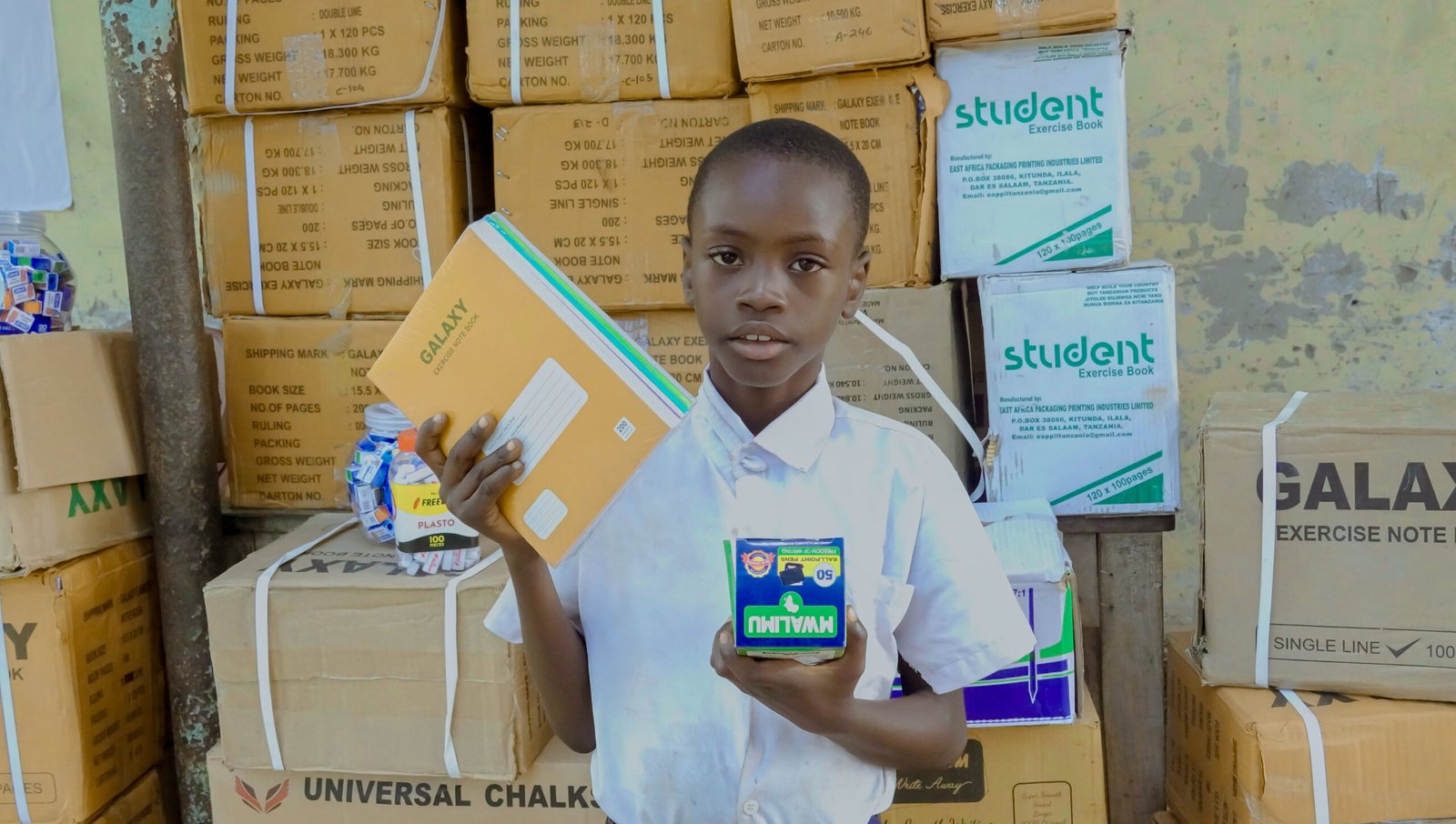
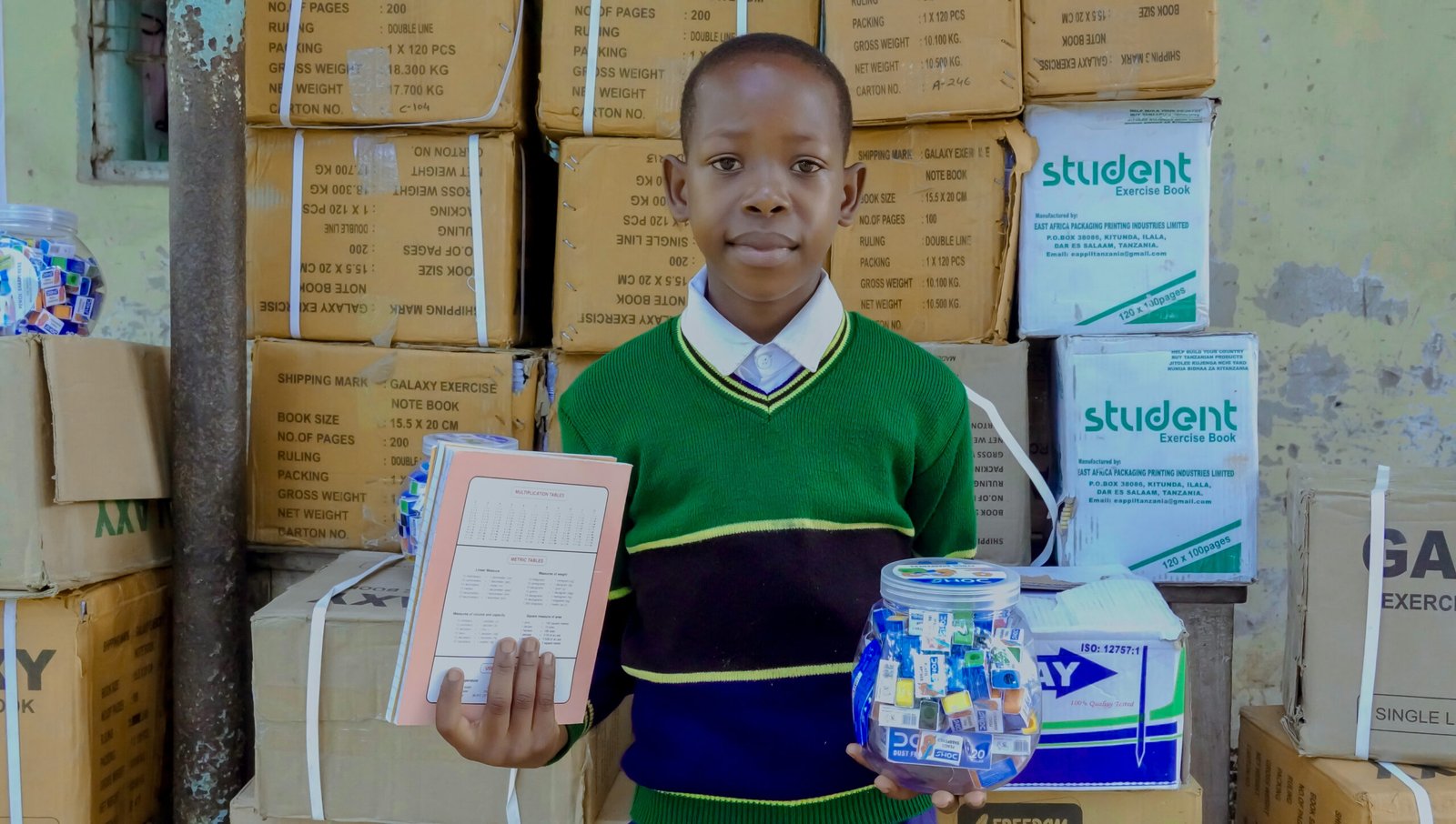
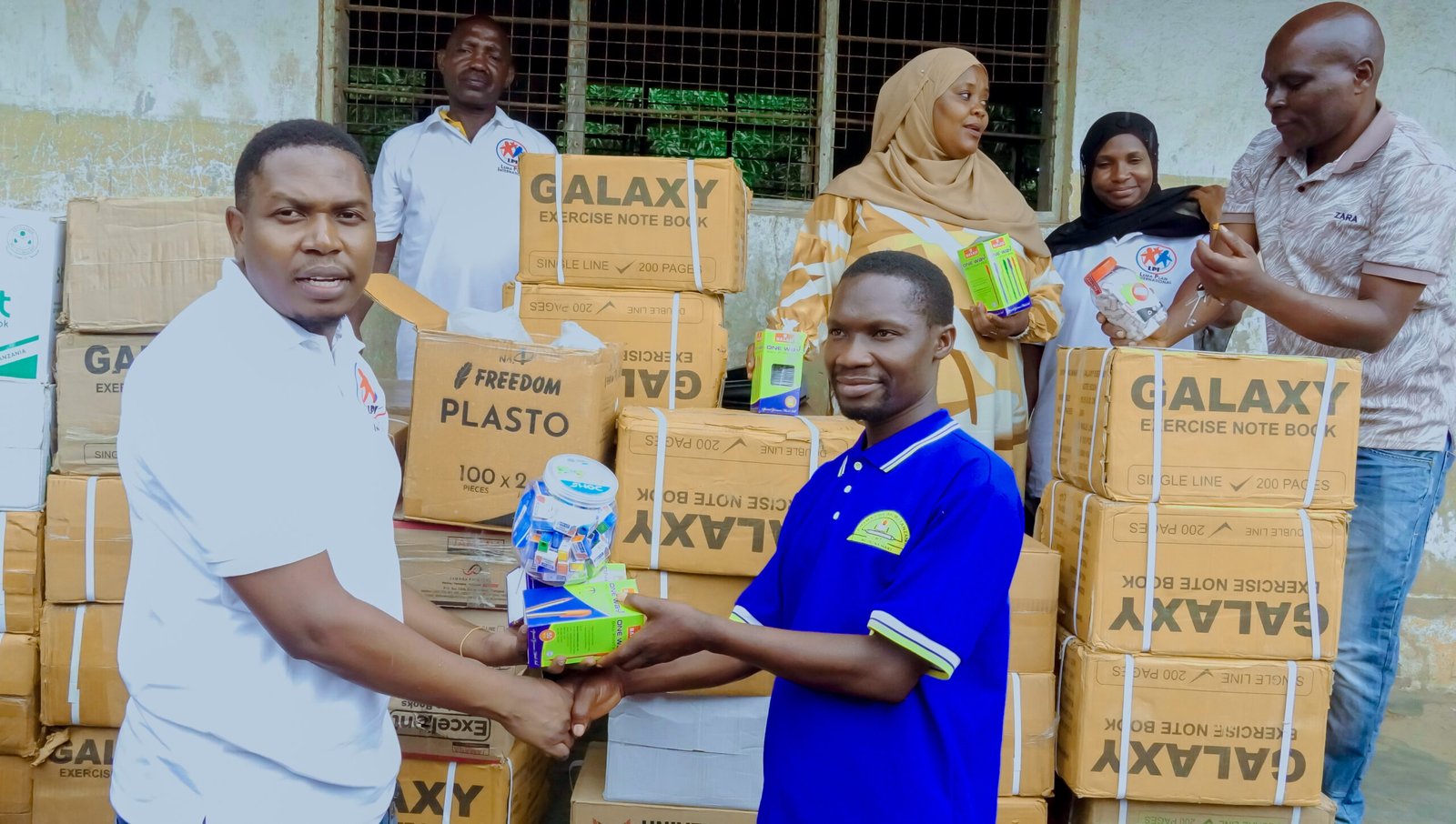
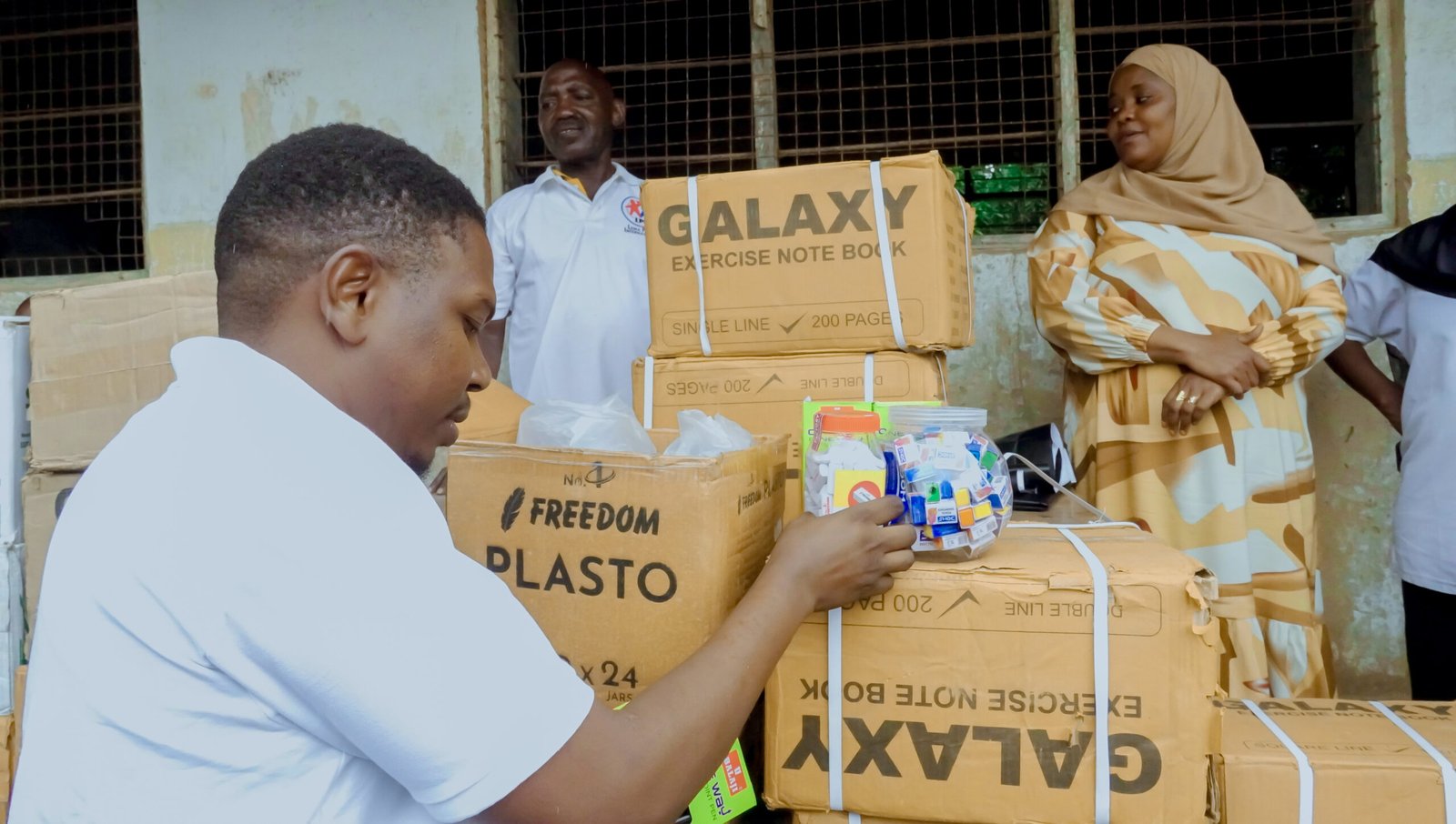
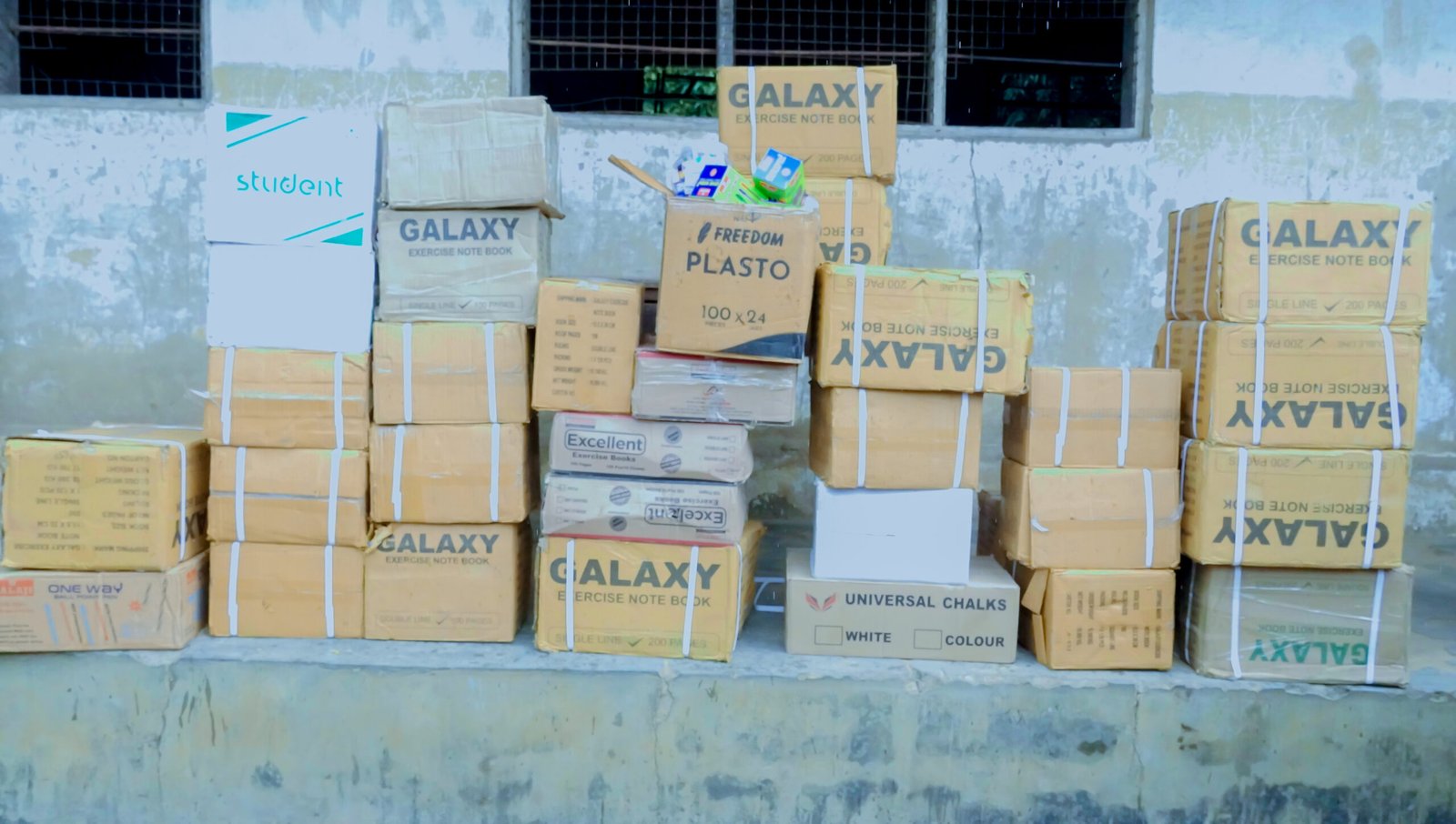
The project successfully distributed essential learning materials across all beneficiary schools.
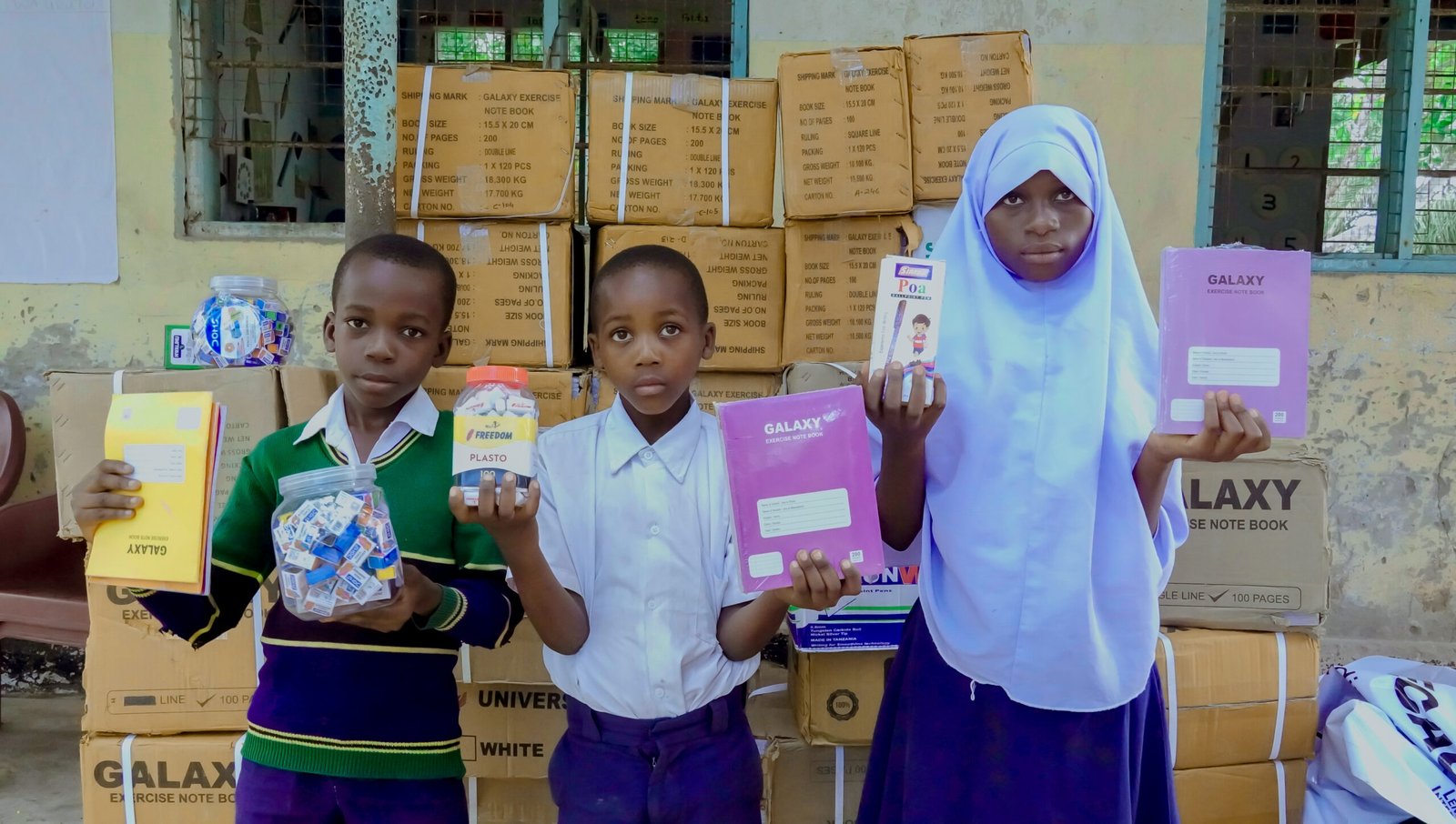
Materials included:
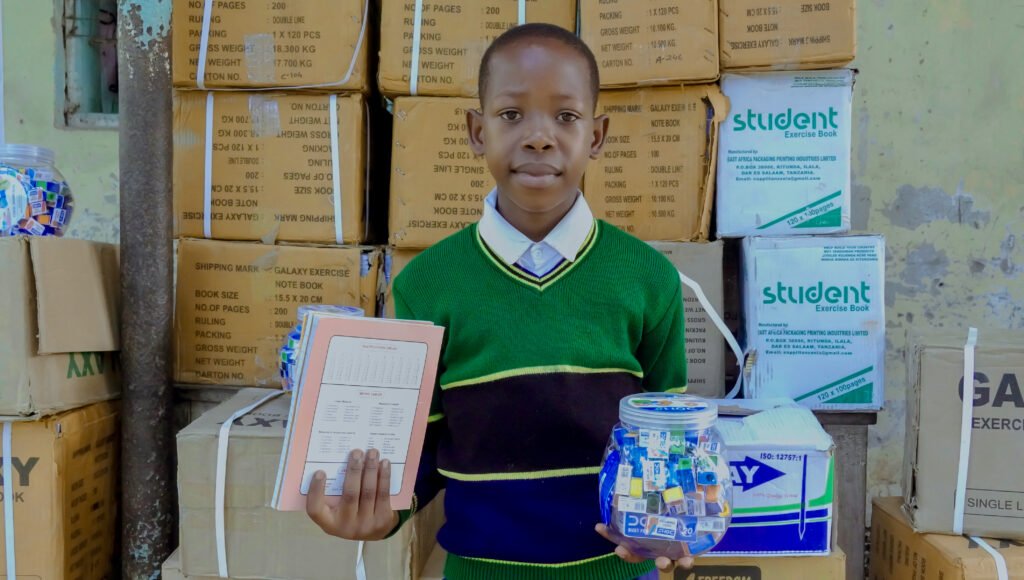
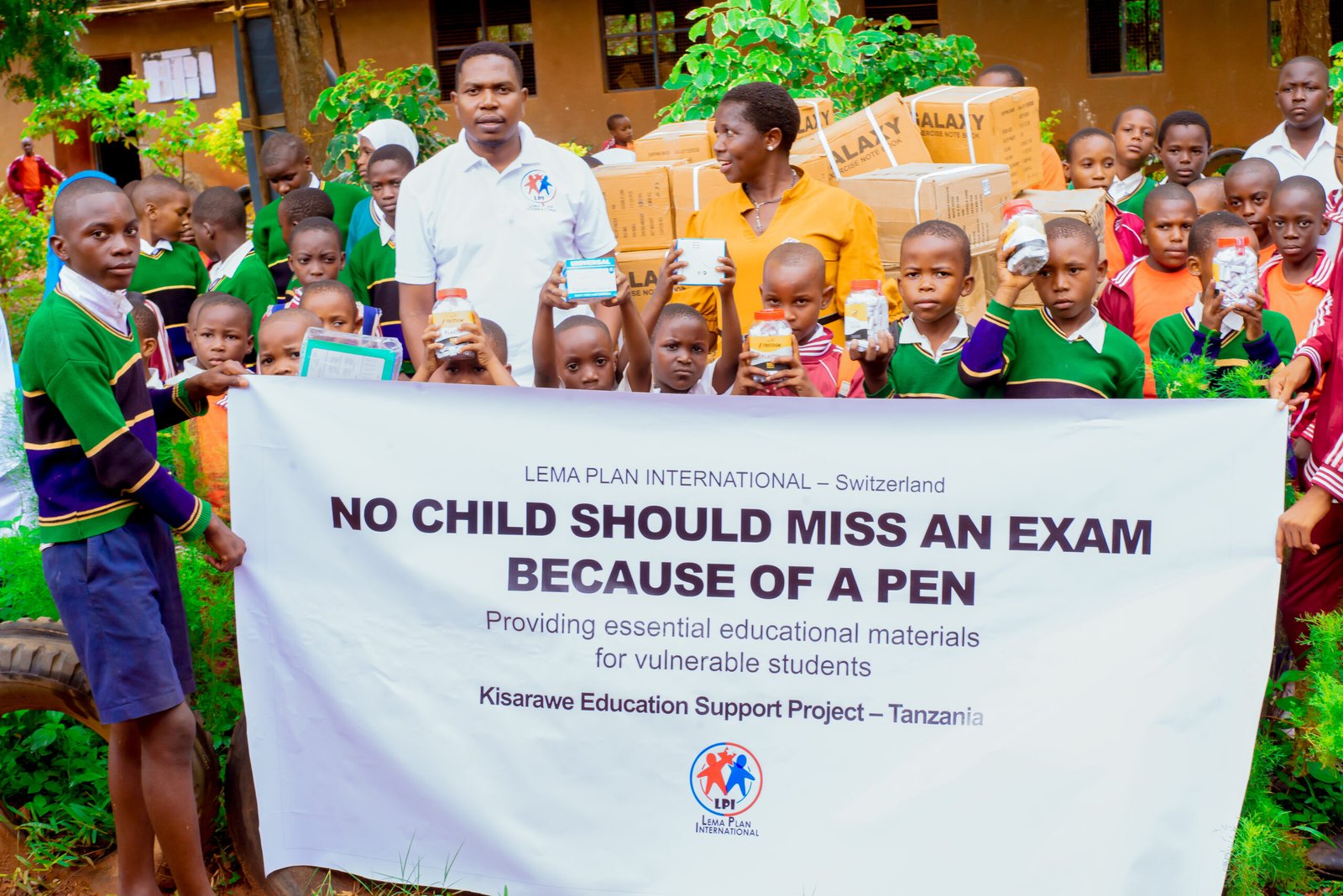
- Exercise books and notebooks
- Black and blue pens
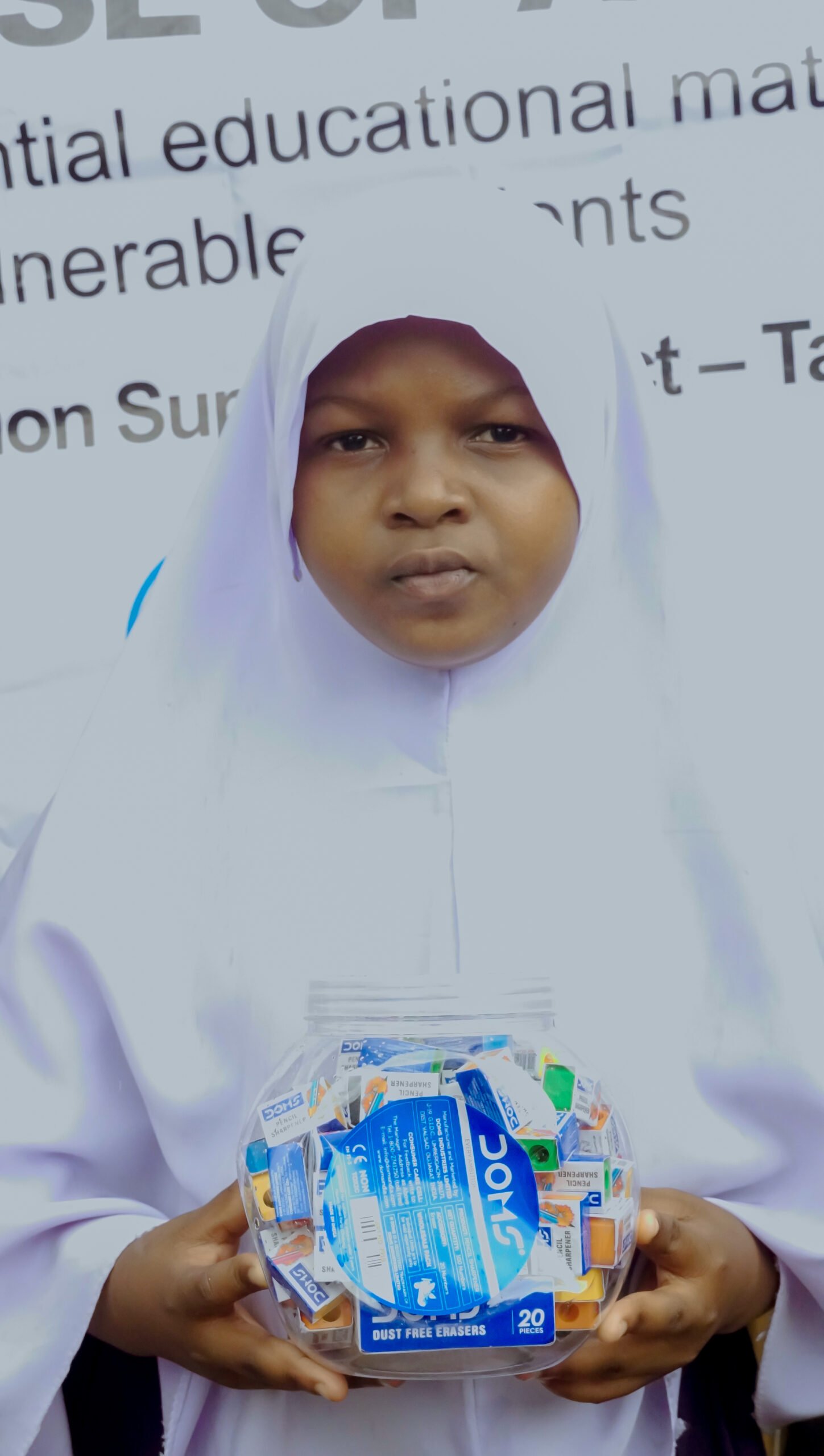
- Sharpeners
- Erasers
- Chalk
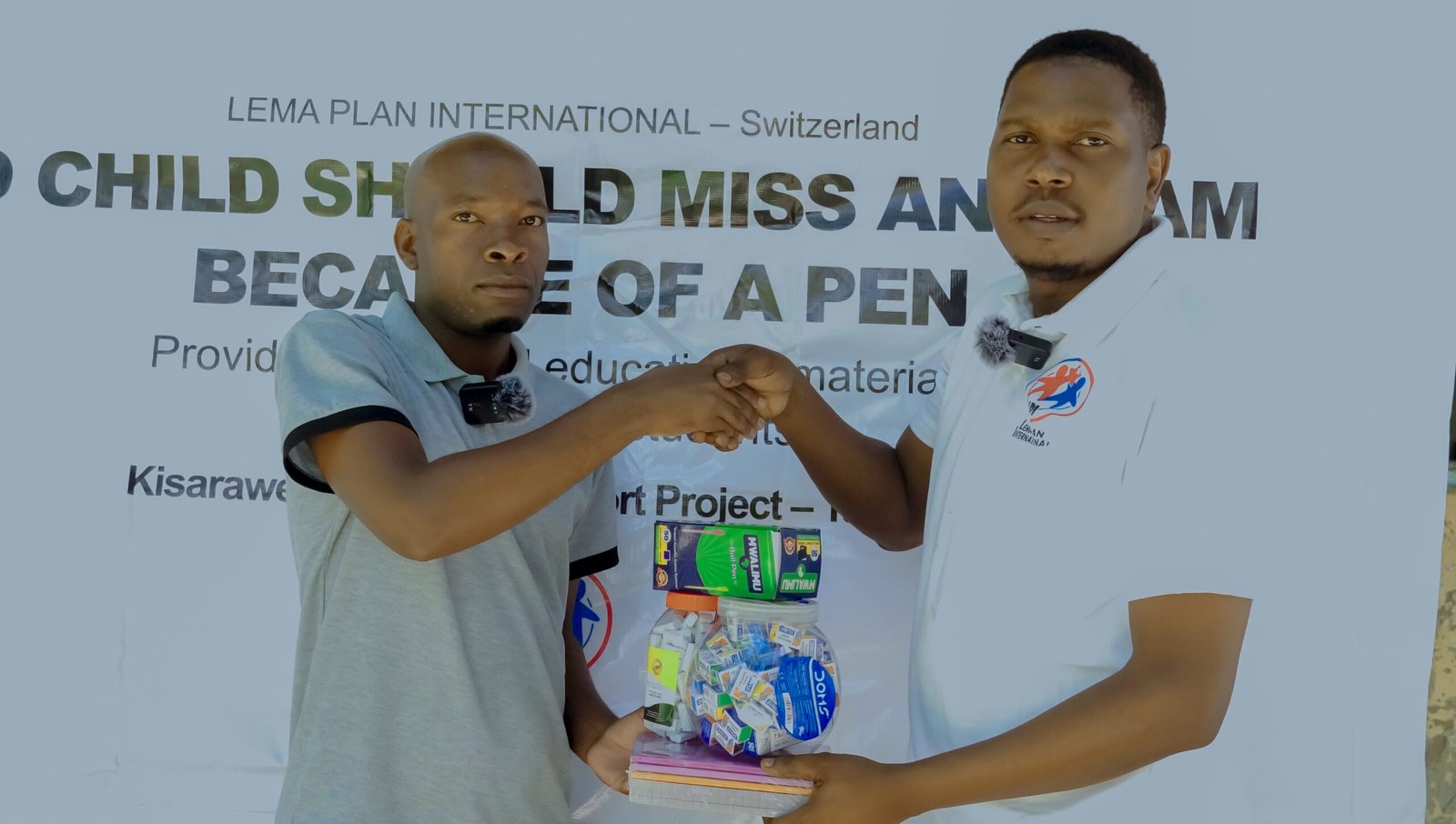
Distribution was conducted using an equitable allocation approach to ensure fairness and consistency among beneficiary schools.
Each school received similar allocations of core materials to improve classroom participation and support daily learning activities.
The distribution process maintained a high level of accountability and transparency throughout implementation.
7. Project Impact and Outcomes
The Kisarawe Education Support Project generated immediate and measurable educational benefits.
Improved Student Participation
Teachers reported increased student engagement during written classroom activities following the distribution of learning materials.
Reduced Sharing of Stationery
The availability of notebooks and writing materials significantly reduced dependency on shared classroom stationery.
Increased Educational Readiness
Students became better prepared for written exercises, classroom participation, and examinations.
Reduced Financial Burden on Families
The project alleviated pressure on vulnerable families struggling to purchase school supplies.
Strengthened Learning Environment
Schools reported improved consistency in classroom participation and better learning flow due to increased access to educational materials.
At Chang’ombe B Primary School, teachers reported that several students who previously lacked writing materials were able to participate fully in written exercises for the first time during the term.
8. Key Achievements
The Kisarawe Education Support Project achieved several important milestones:
- Successful implementation across all five target schools.
- Direct educational support provided to approximately 2,500–3,000 learners.
- Improved classroom participation among vulnerable students.
- Reduction in stationery sharing among pupils.
- Strengthened collaboration with local education stakeholders and school leadership.
- Successful completion of activities despite weather and logistical challenges.
- Improved access to essential educational materials in underserved schools.
The initiative demonstrated that targeted educational interventions can significantly improve learning conditions and educational dignity for vulnerable learners.
9. Challenges Encountered
Despite the successful implementation of the project, several operational challenges affected field activities
Weather and Road Conditions
Heavy rainfall affected road accessibility and created delays in reaching certain schools.
Transportation Challenges
Terrain conditions required additional logistical coordination and increased operational pressure during distribution.
Payment and Coordination Delays
Occasional supplier payment delays and operational coordination requirements affected implementation timelines.
Geographical Distance
The significant distance between beneficiary schools increased logistical demands during field operations.
Despite these challenges, all planned schools were successfully reached and activities completed.
10. Lessons Learned and Recommendations
Through the implementation of this project, several key lessons emerged:
- Rural educational interventions require adaptive operational planning.
Field realities, including weather conditions and road accessibility, highlighted the importance of maintaining flexibility in project timelines and logistics. - Early procurement and payment coordination improve implementation efficiency.
Timely supplier engagement and earlier payment processing can help reduce operational delays and improve field readiness. - Strong local coordination significantly strengthens project delivery.
Collaboration with local authorities, school leadership, and community stakeholders proved essential in ensuring successful implementation. - Weather-related risks require stronger contingency planning.
Although seasonal conditions were anticipated, the project reinforced the importance of integrating additional flexibility into implementation schedules during periods of heavy rainfall.
Future Commitments and Recommendations
Building on the lessons learned, Lema Plan International commits to strengthening future educational interventions through the following actions:
- Allocating additional operational time for rural field implementation to better accommodate accessibility challenges and unexpected delays.
- Finalizing procurement processes and supplier payments earlier to improve operational efficiency and implementation readiness.
- Strengthening transportation planning through the use of terrain-adapted transport solutions, particularly for remote and weather-affected areas.
- Improving data collection and impact monitoring systems to better measure educational outcomes and strengthen project evaluation.
- Expanding educational support to additional underserved schools and vulnerable learners, based on demonstrated needs and available resources.
This project has reinforced our belief that sustainable educational impact requires not only resources, but also continuous learning, adaptation, and strong community collaboration.
11. Financial Summary
The Kisarawe Education Support Project maintained a cost-conscious implementation approach while ensuring successful delivery across all beneficiary schools.
The total estimated cost of project implementation amounted to approximately 3,637 CHF, covering procurement, logistics, coordination, transportation, field operations, facilitation, communication, and project documentation.
Category | Approximate Amount (CHF) |
Educational Materials | 2,823 CHF |
Branding and Banner Printing | 61 CHF |
Digital Communication | 60 CHF |
Transportation – Phase 1 | 182 CHF |
Operational Costs – Phase 1 | 127 CHF |
Photography and Video Documentation | 30 CHF |
Facilitation – Phase 1 | 30 CHF |
Transportation – Phase 2 | 121 CHF |
Local Team – Phase 2 | 52 CHF |
Facilitation – Phase 2 | 30 CHF |
Local Project Coordinator | 121 CHF |
Subtotal Direct Expenditures | 3,637 CHF |
Project Coordination and Management
Category | Amount (CHF) |
Mission Coordination, Resource Mobilization, and Program Development | 1,200 CHF |
Subtotal Coordination | 1,200 CHF |
This contribution covered, among other activities:
- Overall project planning;
- Administrative follow-up;
- Activity coordination;
- Communication with partners;
- Resource mobilization;
- Preparation of project reports and documentation;
- Operational monitoring and implementation support.
Item | Amount |
Direct Project Expenditures | 3,637 CHF |
Coordination and Management | 1,200 CHF |
TOTAL PROJECT COST | 4,837 CHF |
Financial Analysis
The total cost of the project is estimated at CHF 4,837. This amount includes both the direct expenditures incurred during project implementation and the coordination, administrative management, and project development services required to successfully deliver the initiative.
The resources mobilized enabled the effective distribution of educational supplies to five primary schools in Kisarawe District, directly benefiting approximately 2,500 to 3,000 students.
All expenditures and contributions presented in this report are supported by documentation maintained in the project archives, including invoices, payment confirmations, quotations, correspondence, and administrative records.
12. Acknowledgements
Lema Plan International expresses sincere appreciation to all individuals and institutions that contributed to the successful implementation of the Kisarawe Education Support Project.
We extend our gratitude to local education authorities, school leadership, teachers, and community representatives for their collaboration and commitment throughout the project.
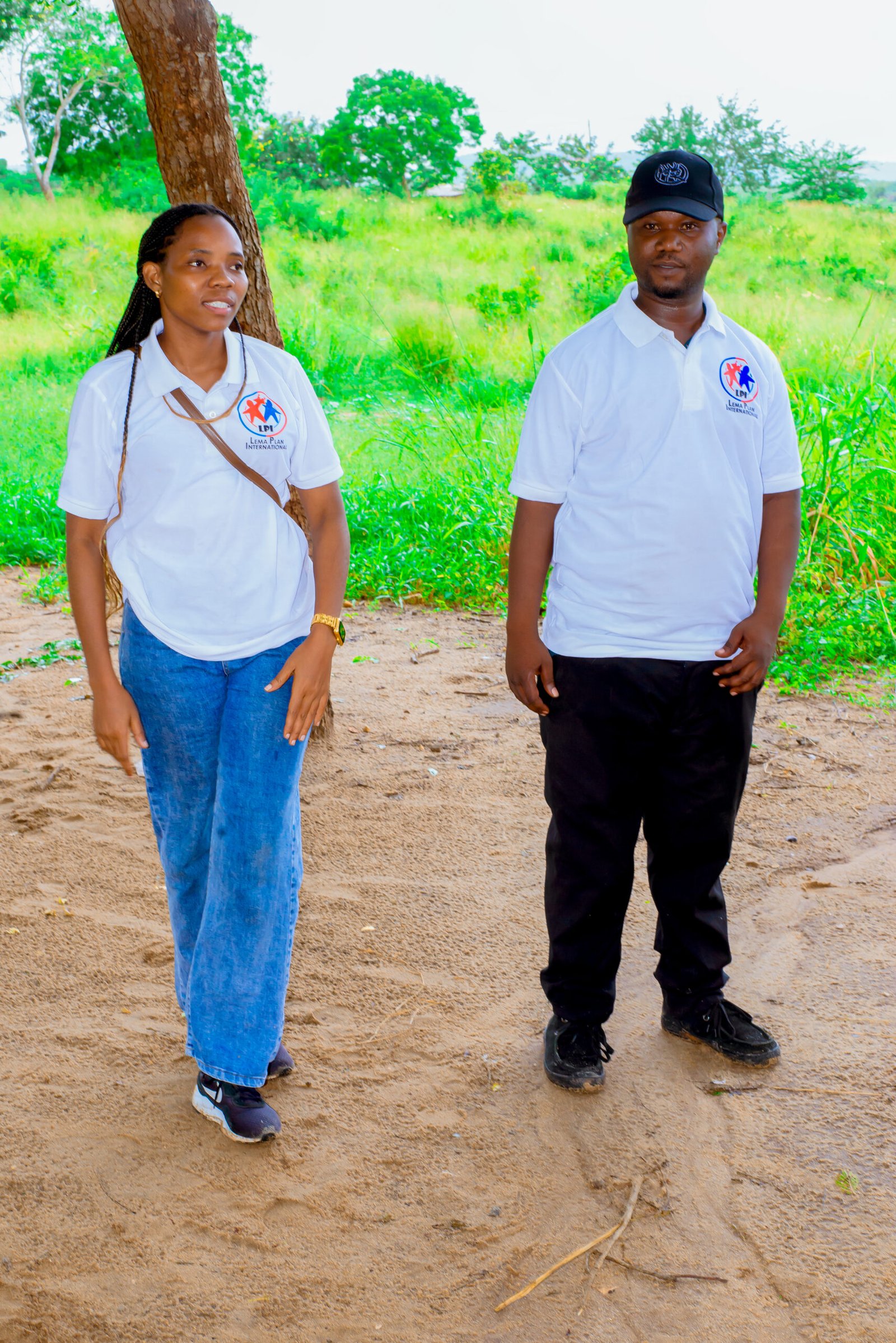
Special appreciation is extended to the Tanzania field team, local coordinators, facilitators, and volunteers whose dedication ensured the successful implementation and distribution of educational materials.
We also acknowledge the valuable support of our donors and supporters whose contributions made this initiative possible.
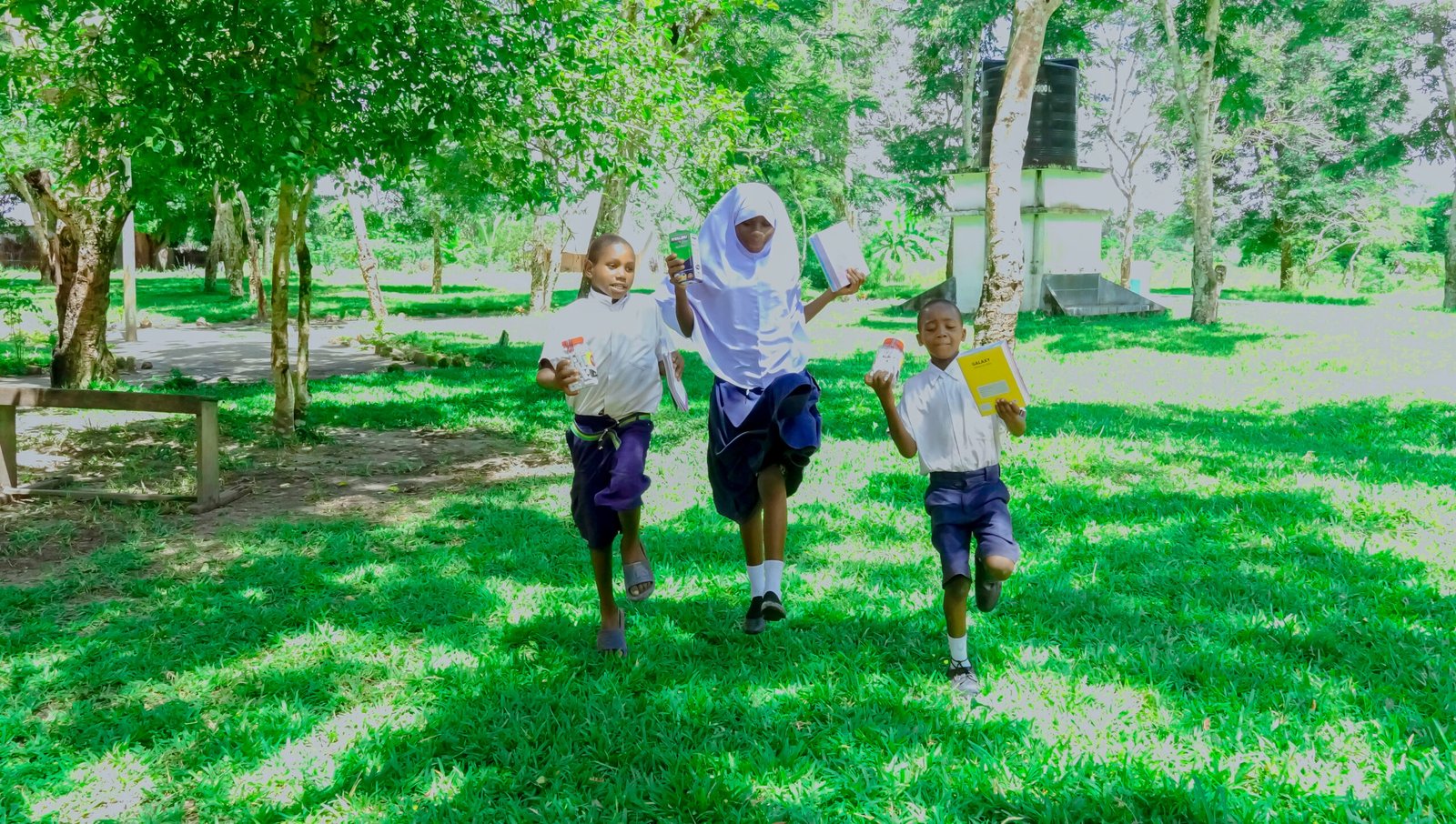
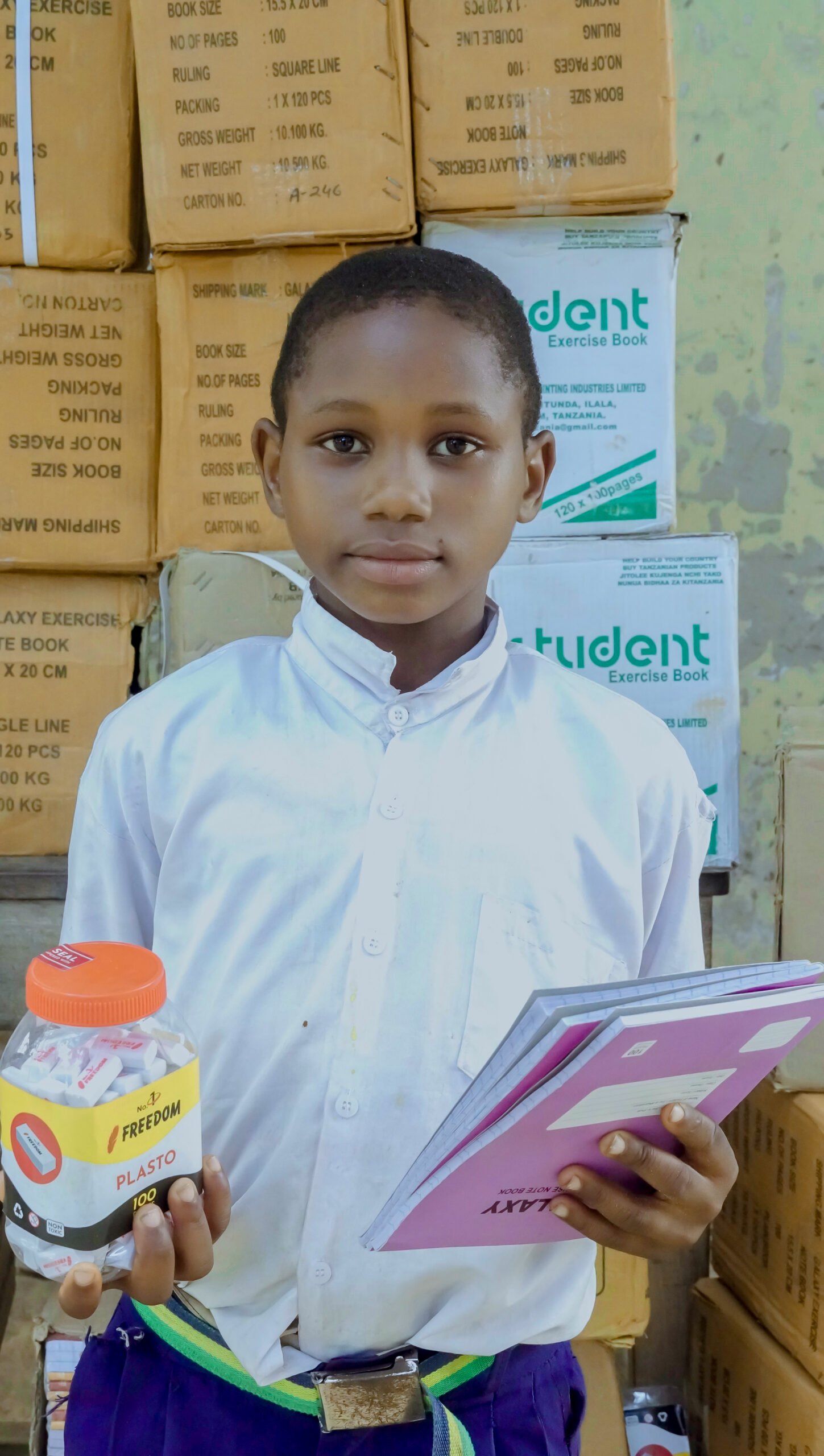
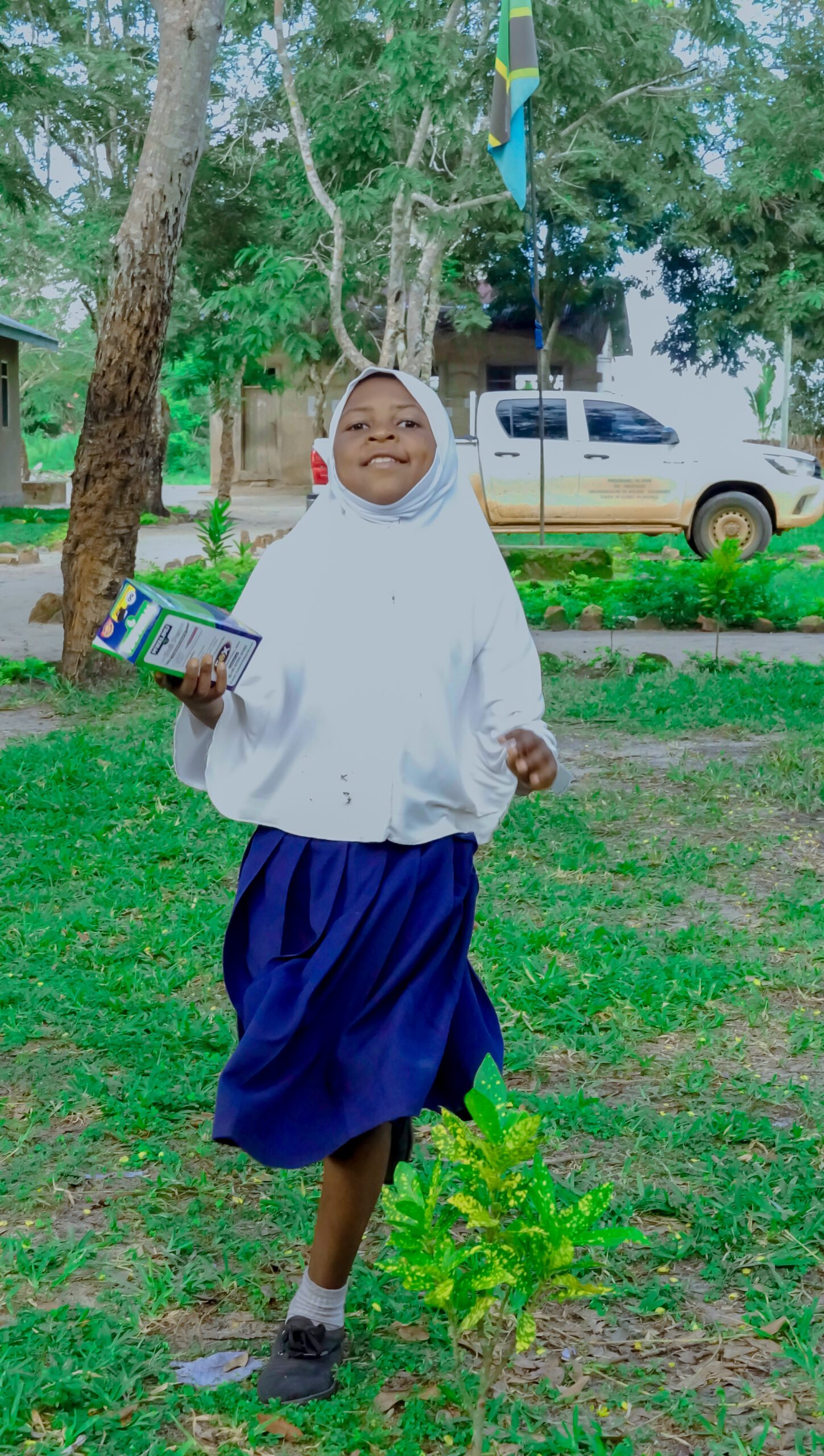
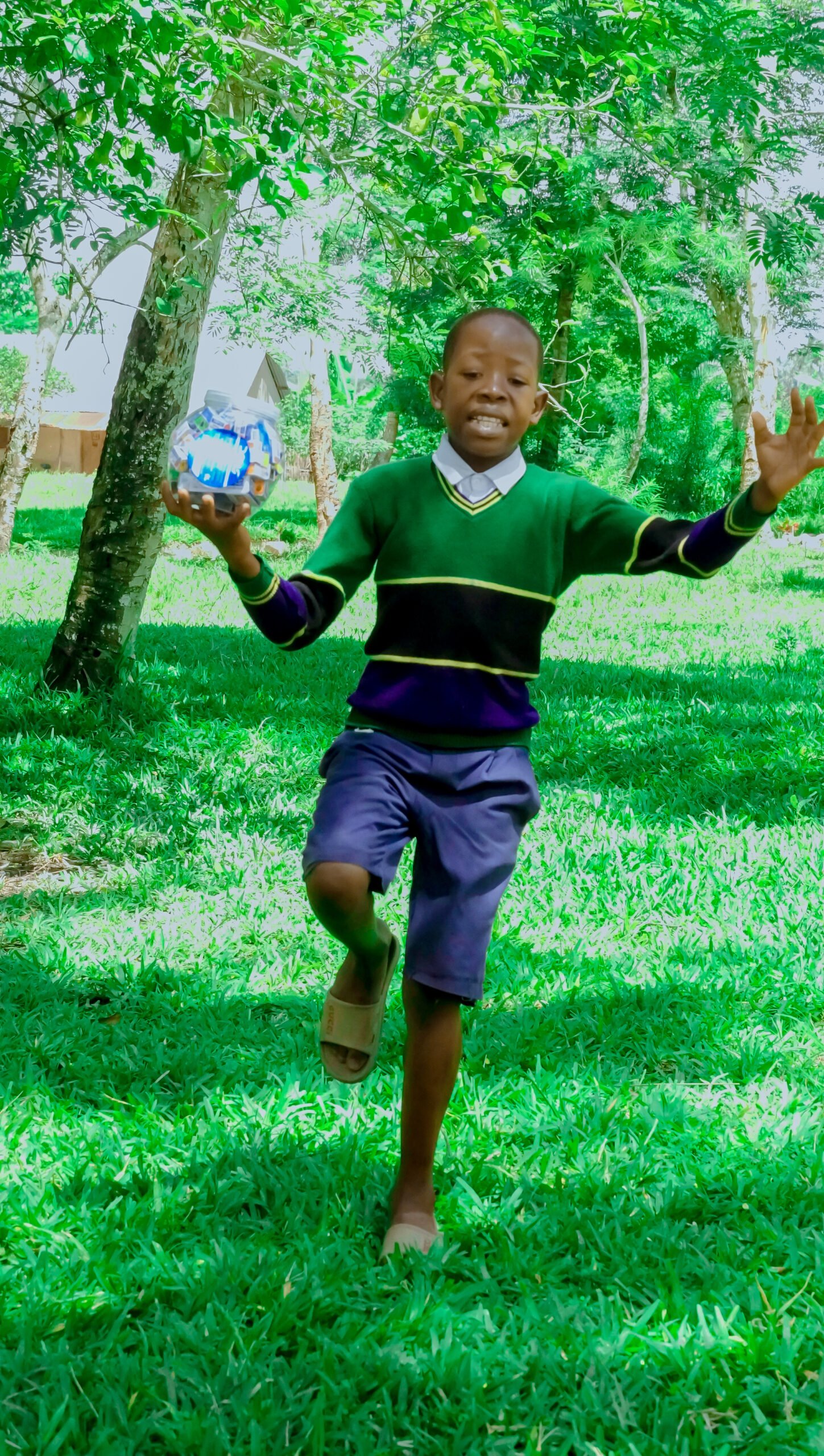
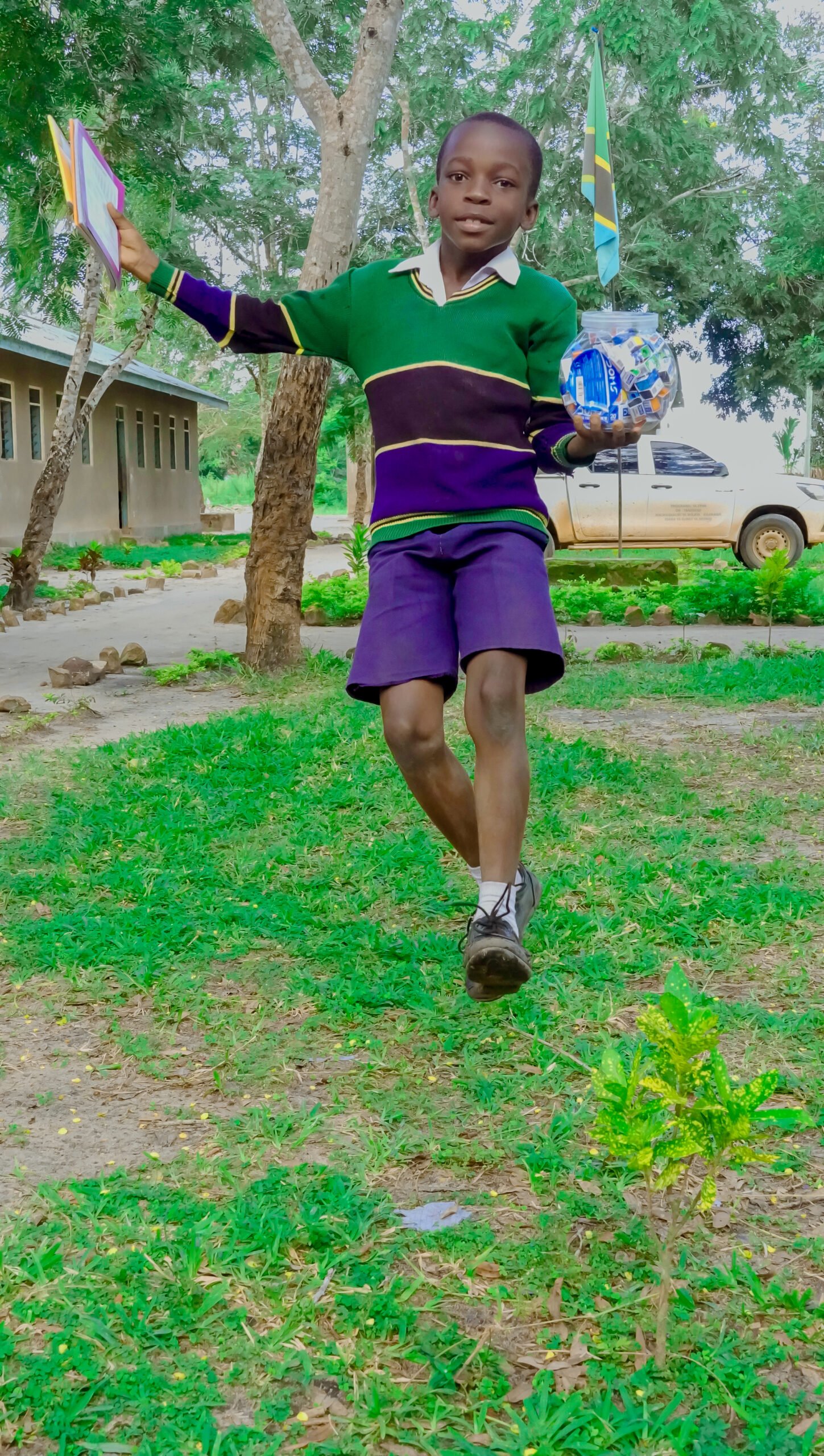
Every Photo Tells a Story — Explore the Gallery Below

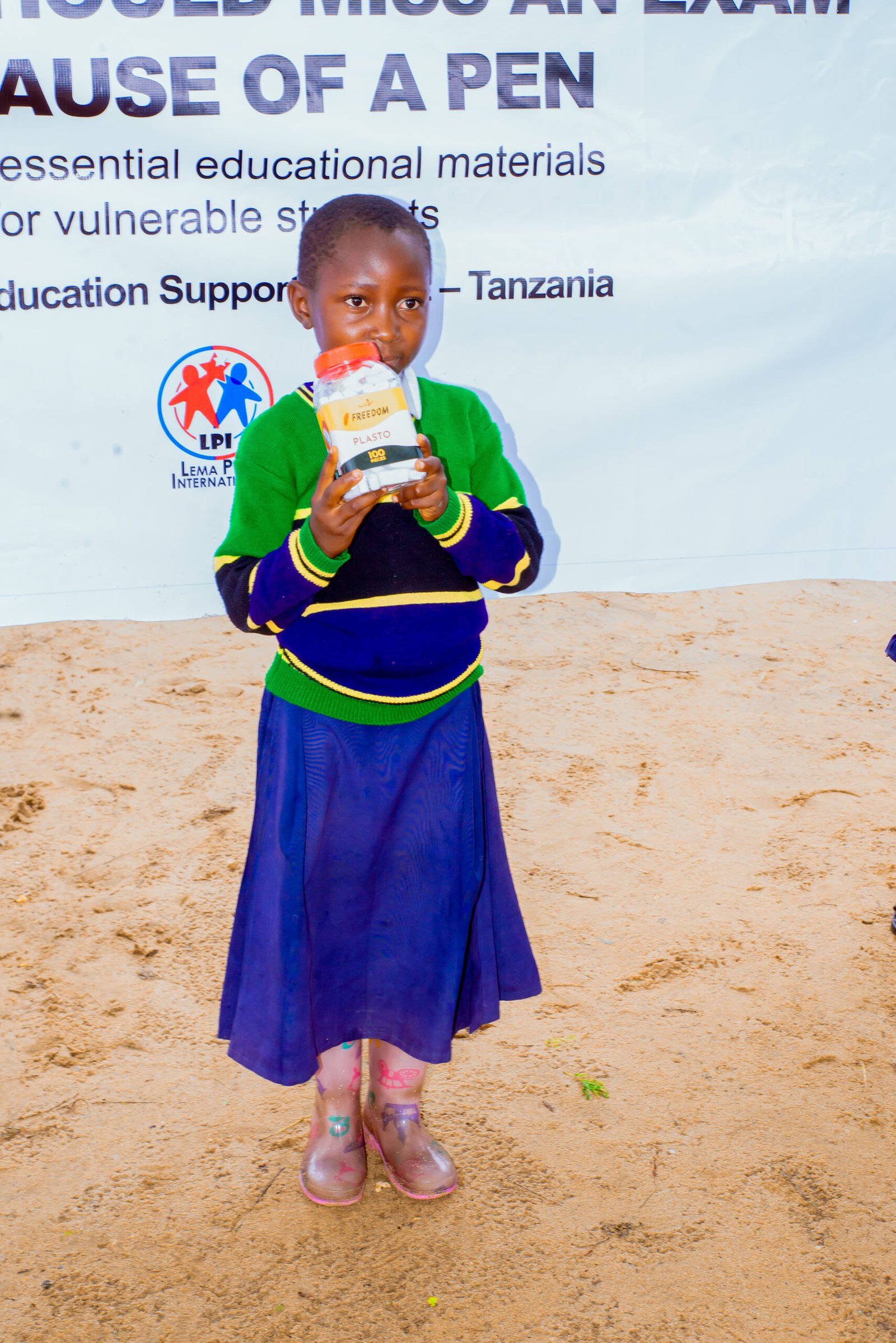
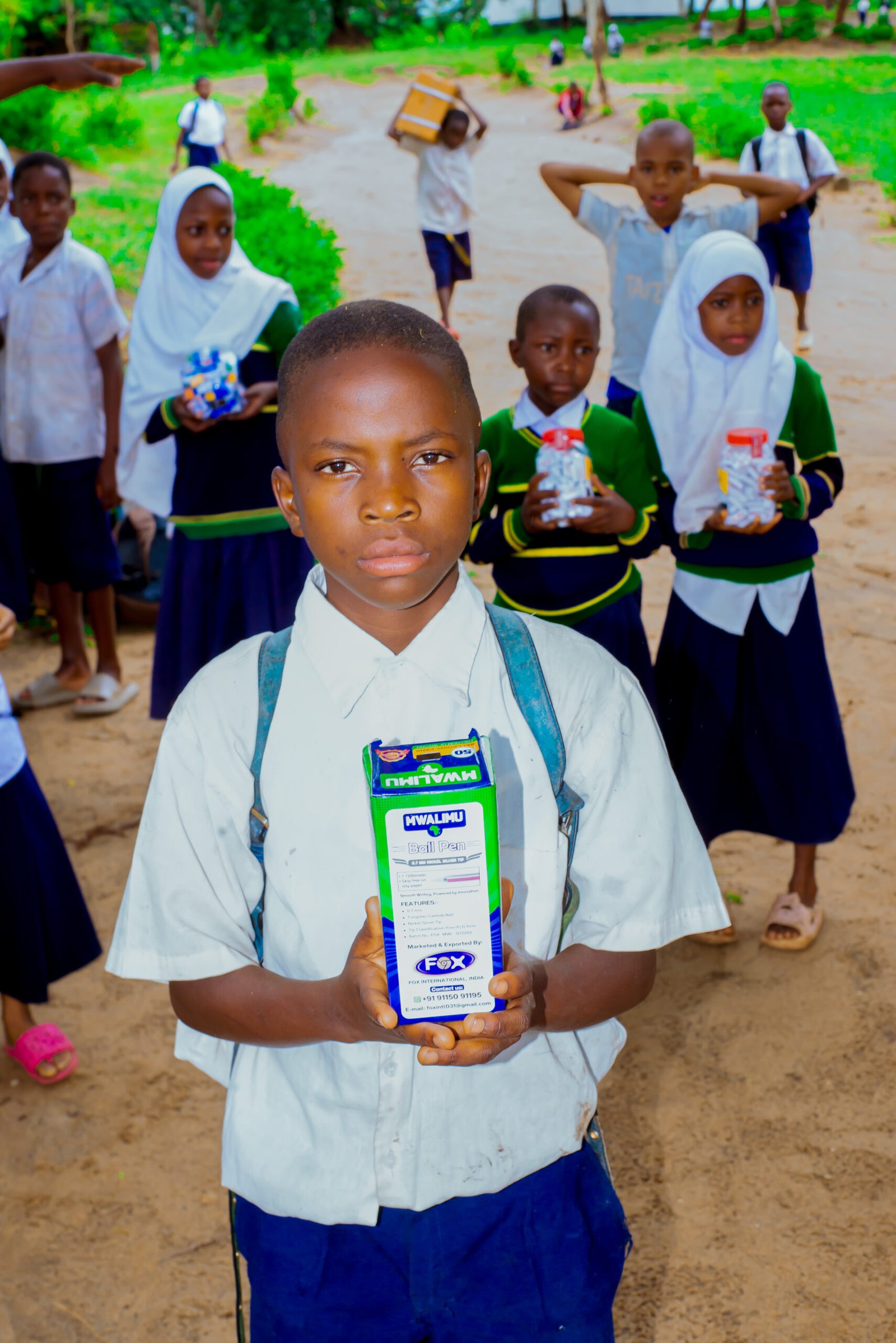
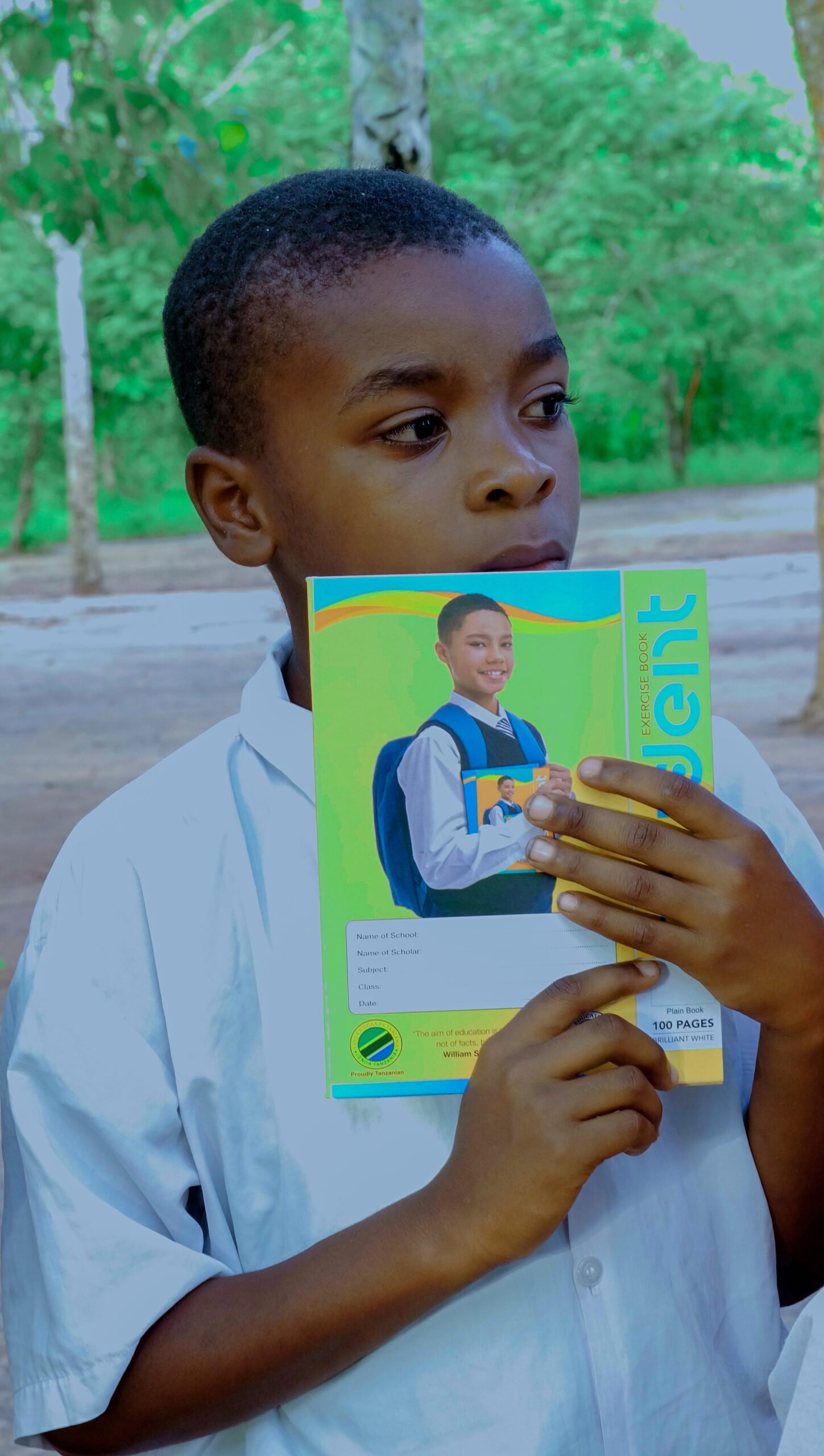
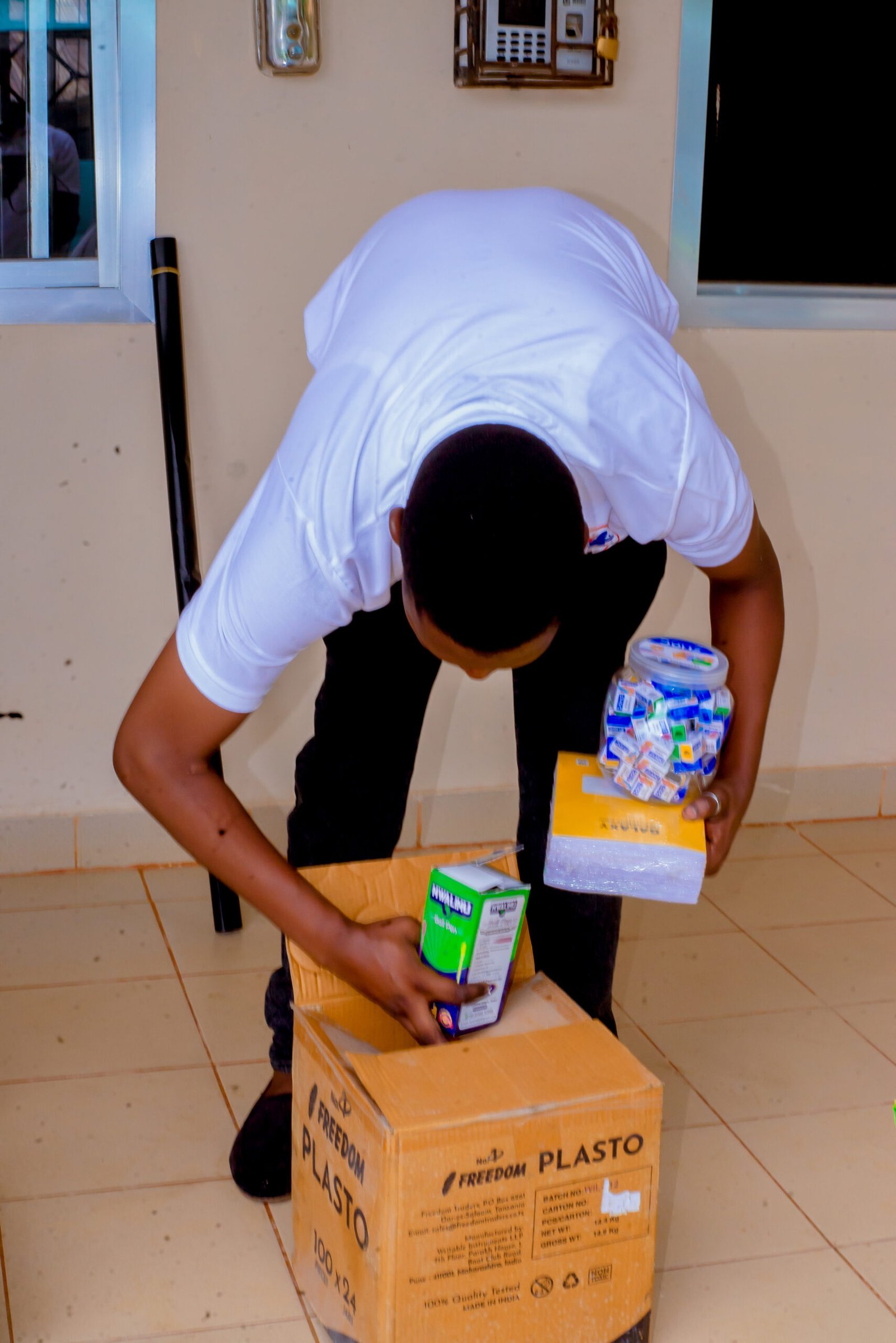
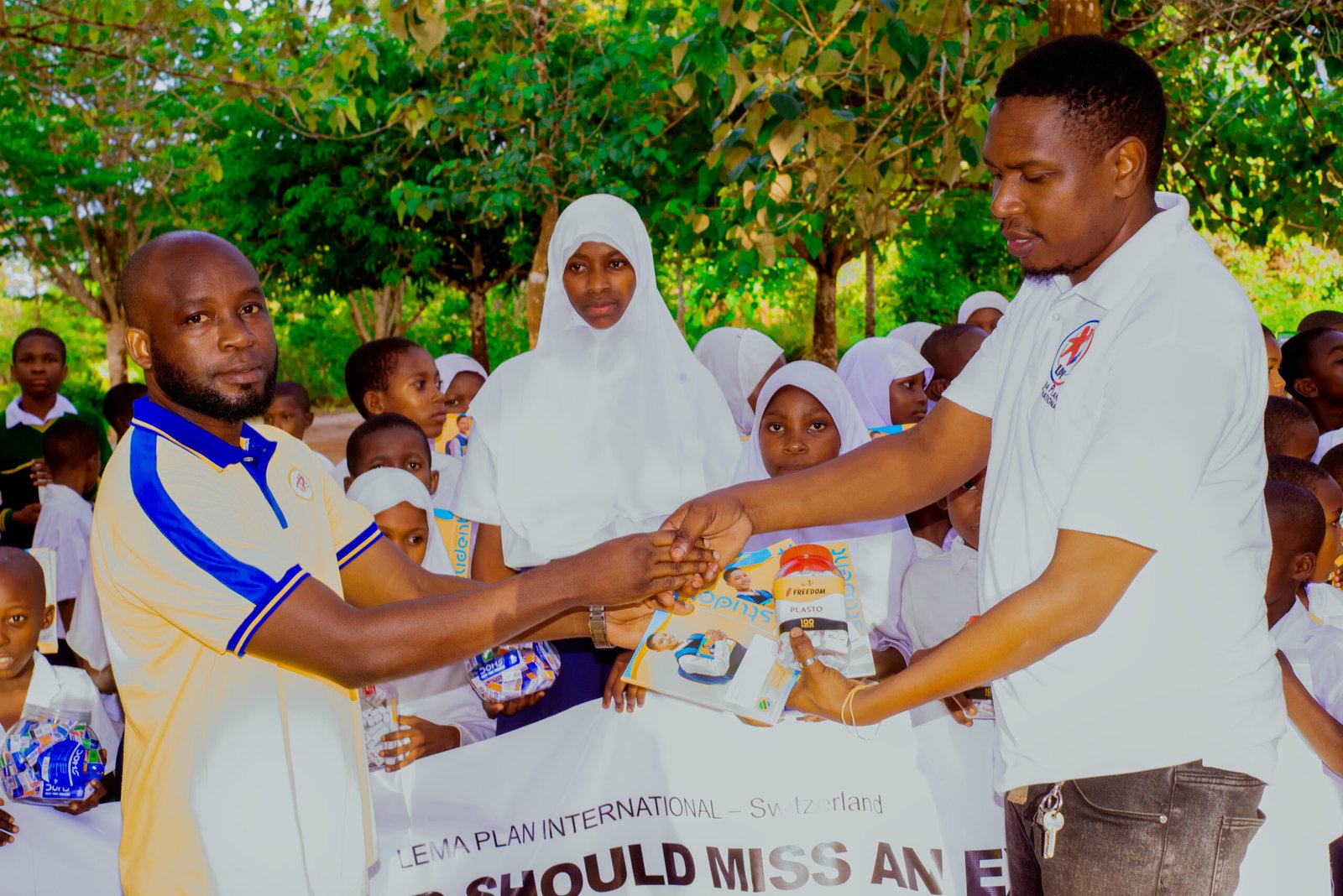
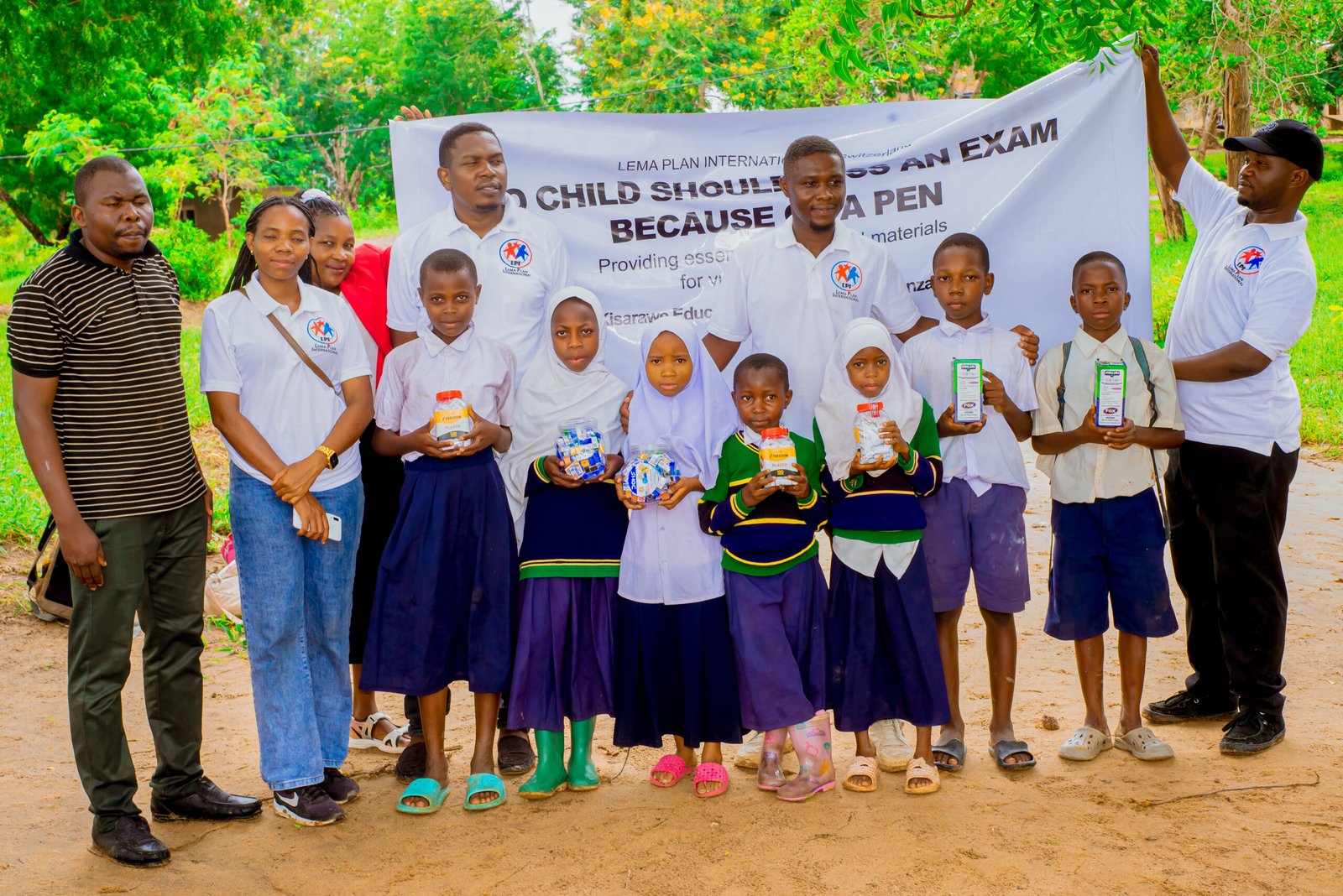
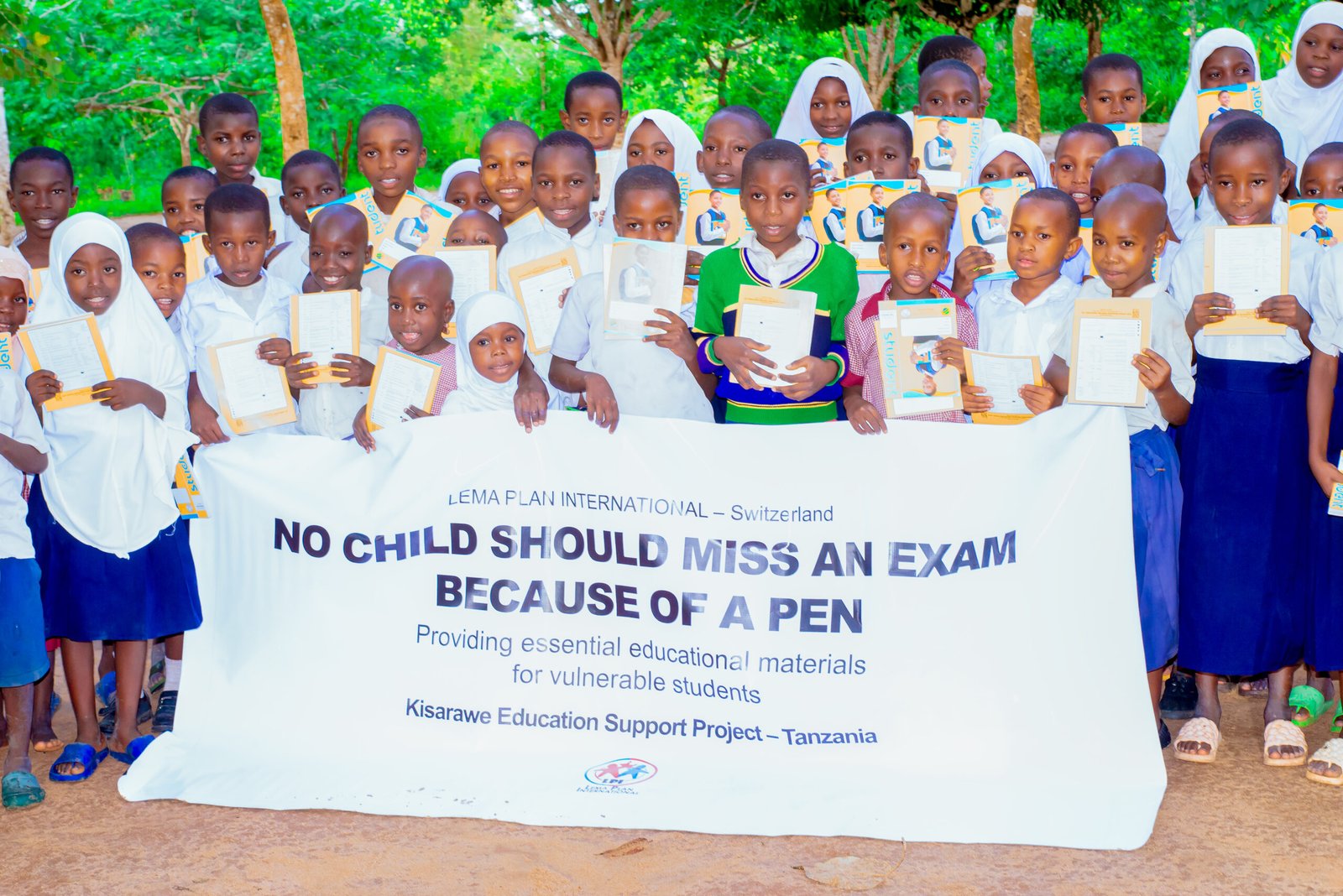
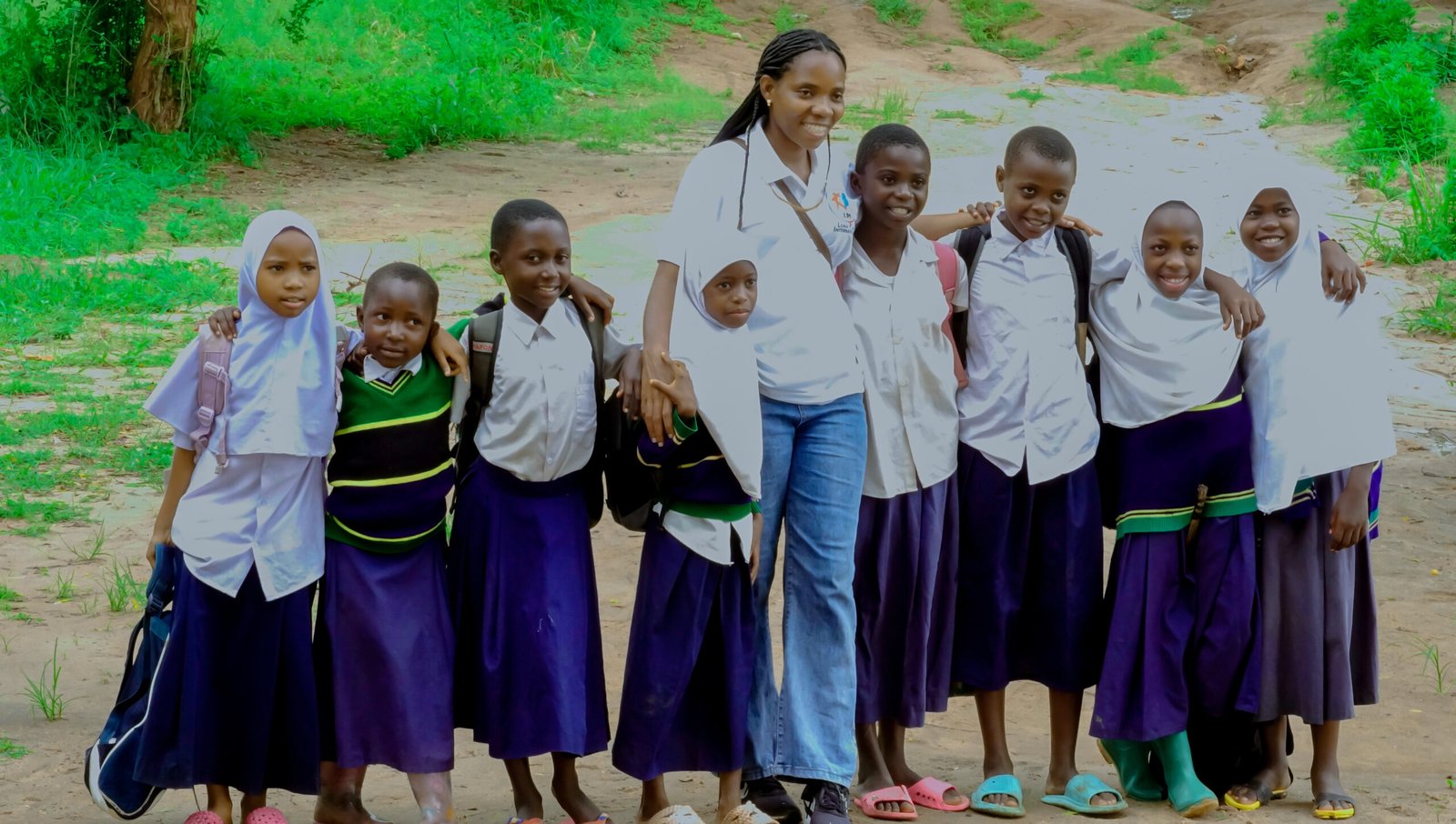
Phase II – 29 April 2026
13. Conclusion
The Kisarawe Education Support Project demonstrated that access to basic educational materials can significantly improve learning participation, classroom confidence, and educational dignity among vulnerable learners.
While simple in design, the initiative generated meaningful educational outcomes and highlighted the continued need for targeted educational support in underserved communities.
Through collaboration, commitment, and responsible implementation, the project successfully reached all targeted schools and supported thousands of learners with essential educational materials.
Lema Plan International remains committed to advancing equitable access to education and strengthening opportunities for vulnerable children through sustainable, community-centered educational initiatives.
No child should miss an exam because of a pen.
Project Evidence and Source Documentation
For readers, partners, and supporters interested in learning more about the project implementation, impact, and lessons learned, click the link below to access the full project report.
Financial Report & Supporting Documentation
Interested in reviewing the detailed financial report for this project? Access the complete financial documentation below.
https://lemaplaninternational.org/wp-content/uploads/2026/06/RECAPITULATIF-FINANCIER-DU-PROJET-1.pdf
Prepared By
Lema Plan International
Rue de Crêtets 118
2300 La Chaux-de-Fonds, Switzerland
2026